
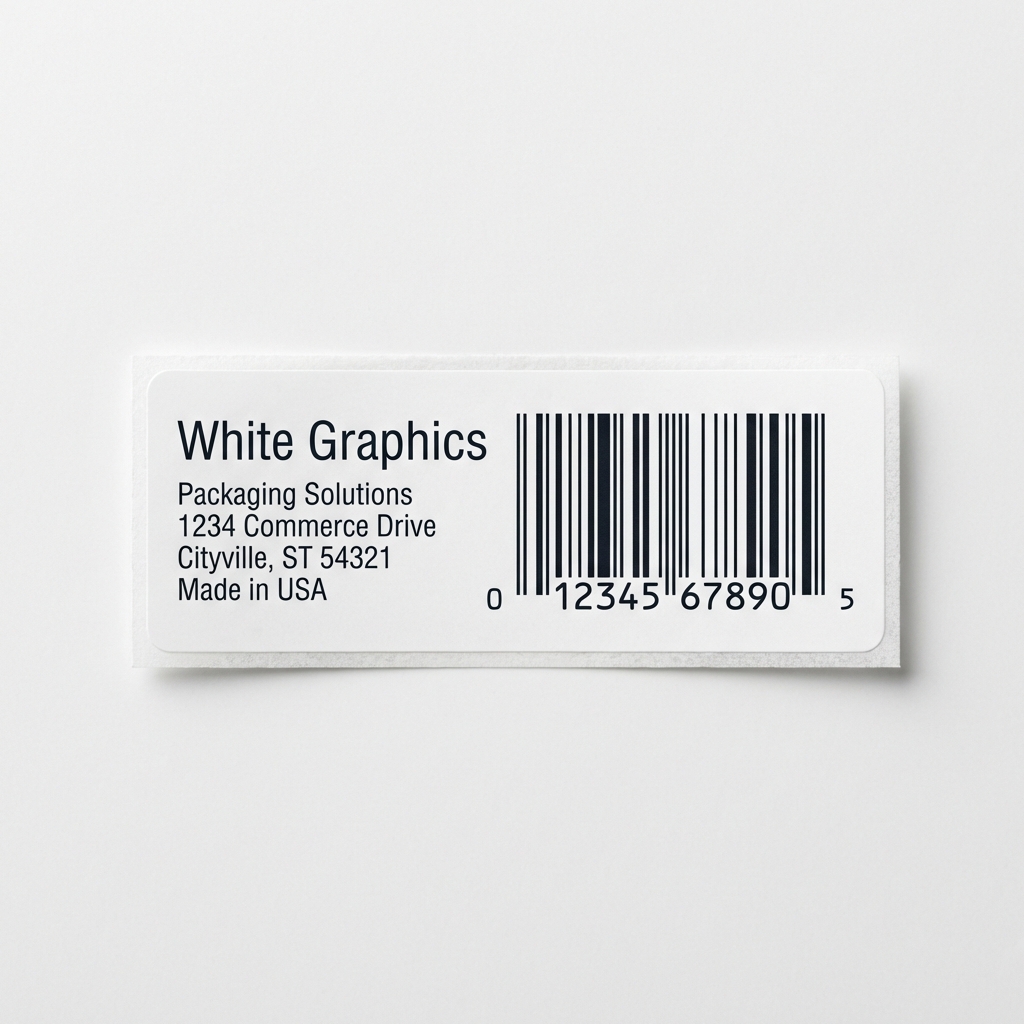
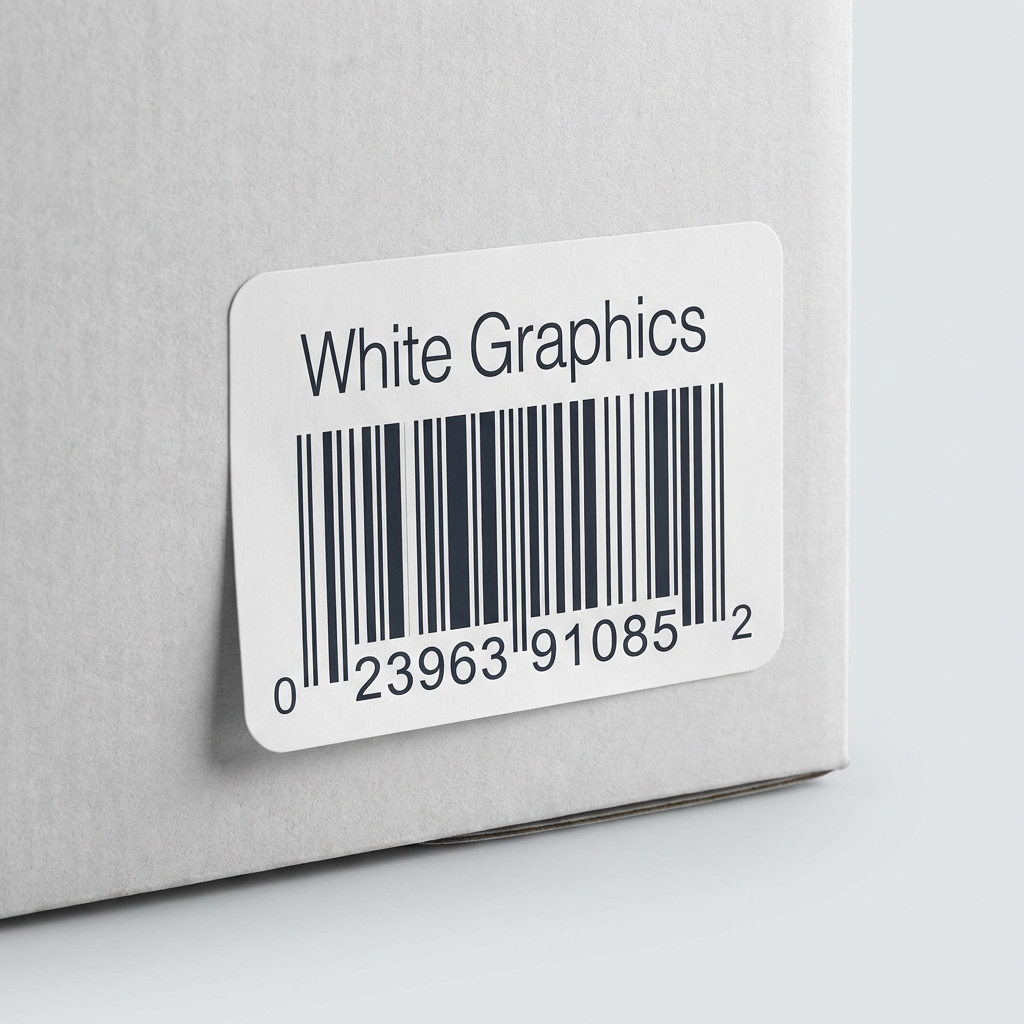
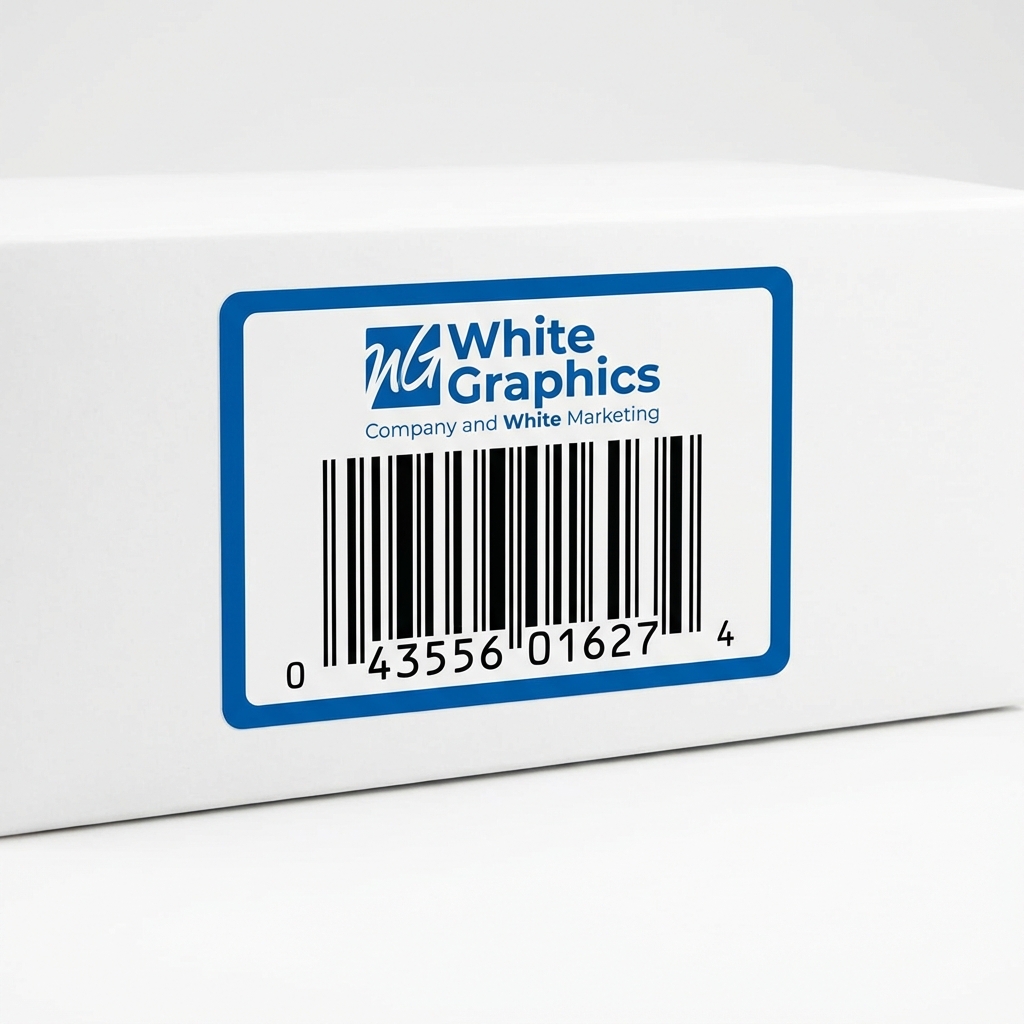
UPC and barcode labels that scan the first time – GS1-based setup, protected quiet zones, scan-checked output, and variable data for serialized programs.
Contact us for pricing, minimum quantities, custom specs, and turnaround times.

Color Accuracy Guaranteed
Substrates
Finishes
Applications
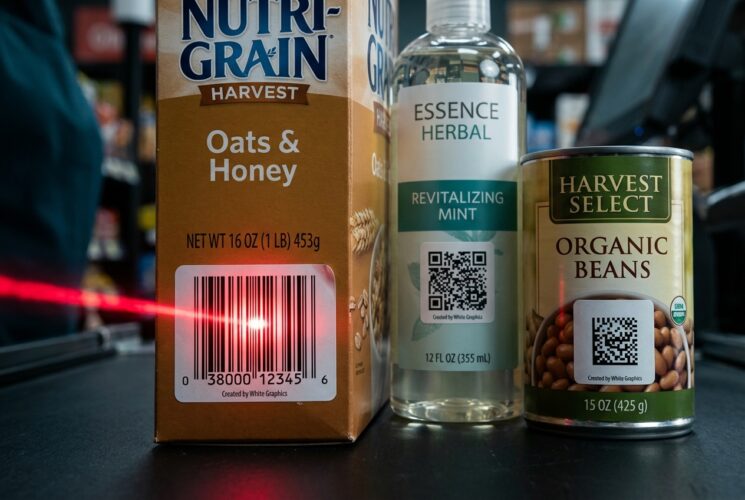
Somewhere in your label artwork sits the one element with a hard pass/fail test at the register: the barcode. The design file treats it as one more graphic; the scanner grades it on contrast, quiet zones, bar edges, and size. We print UPC and barcode labels built to pass, with retail UPCs set up on GS1 conventions, case codes for the warehouse, and serialized labels for tracking programs. Barcode label printing at our G7® Master Certified Naperville, Illinois shop includes the check that matters: every symbol scans before it ships.
Barcode label sizes and placement formats
Barcode labels run from a small UPC panel on a jar to a full case-coding label on a shipping carton, each governed by size rules that exist for the scanner’s sake.
Retail UPC panels
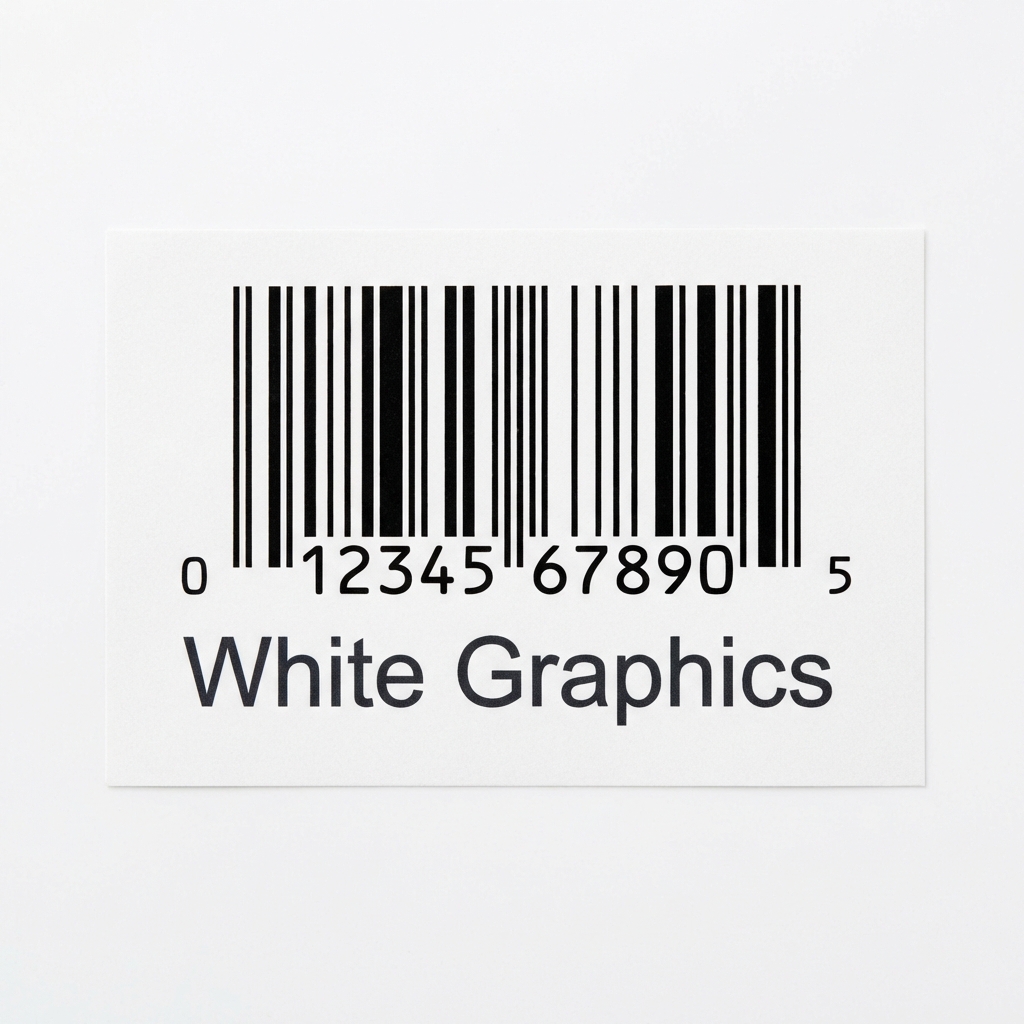
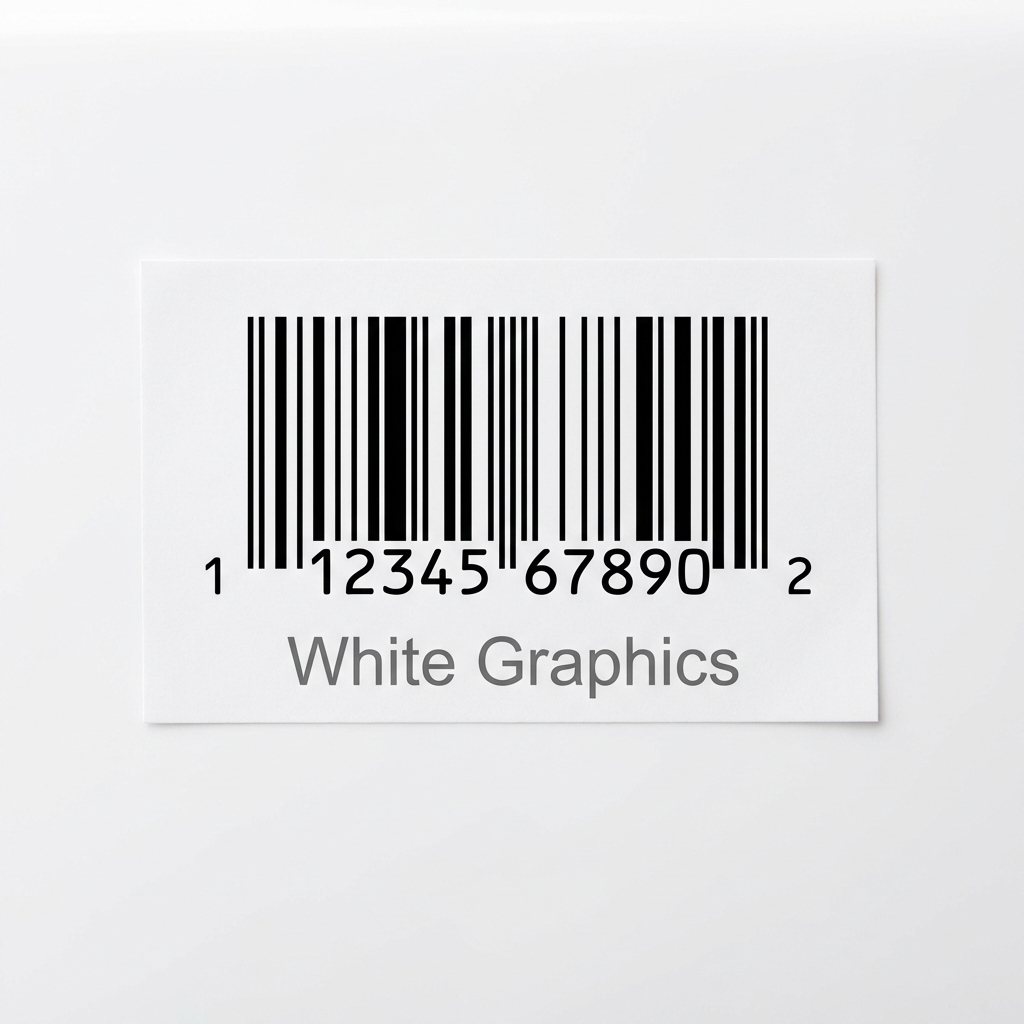
UPC-A and EAN symbols at 80–200% magnification, as standalone labels or built into your product label artwork.
Case & carton codes
Larger-format symbols for cases and shippers, sized for conveyor and handheld scanning at warehouse distances.
Serialized & inventory
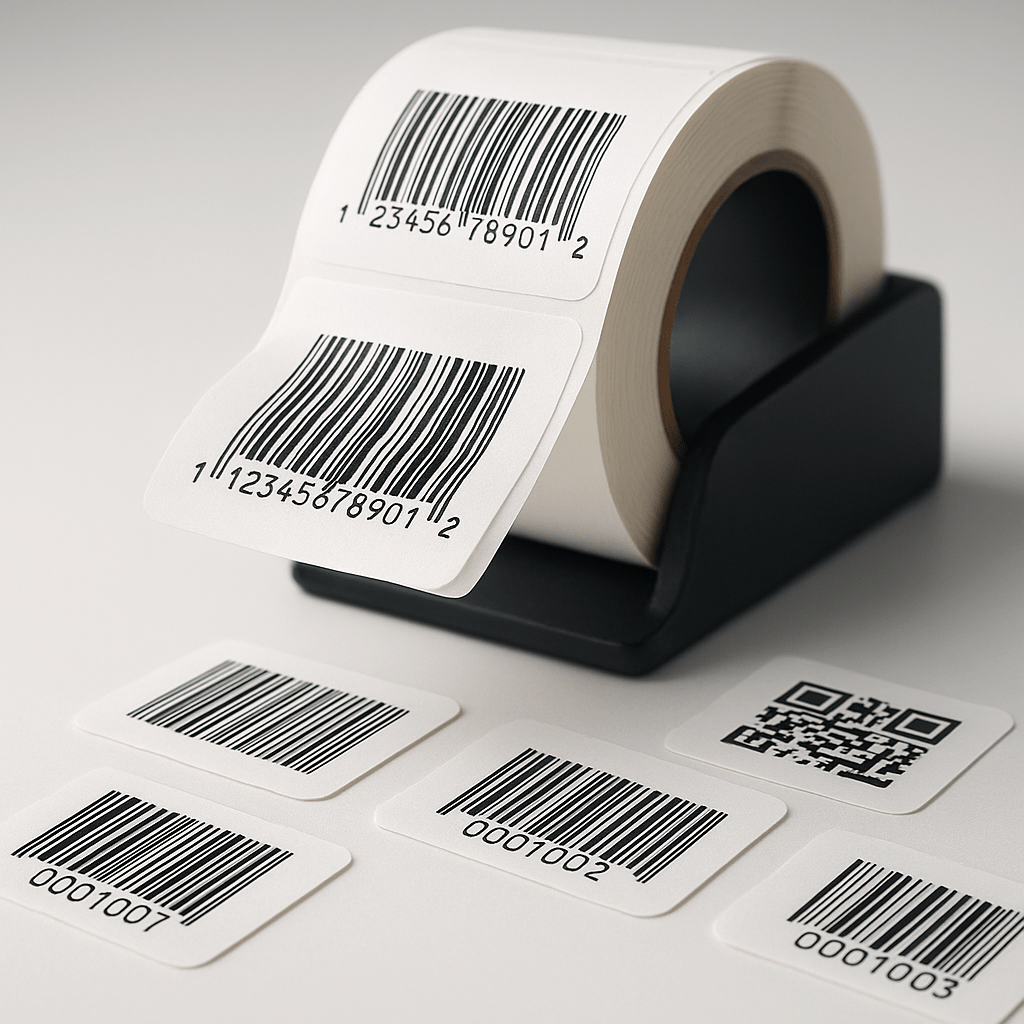
Sequential and unique-per-label codes for asset tracking, lot control, and inventory systems.
Materials
Matte white papers and films that scanners prefer for their low glare and high contrast, with laminates matched to retail, cooler, or warehouse handling.
Tell us where the code gets scanned: register, conveyor, or handheld in a warehouse. We’ll spec size and material to match.
Contrast is a scanning decision, not a styling one
Scanners read barcodes by contrast, and they read in red light. That’s why red bars are invisible to most scanners, and why designers who tint barcodes to match the brand create returns at the register. The reliable recipe is dark bars on a light, low-gloss background, with the quiet zones left empty. Our prepress team protects those rules inside your artwork, and G7® Master Certified process control holds bar density and contrast steady across each run and every reorder.
Glare, laminate, and the cooler test
A high-gloss laminate can bounce a scanner’s light straight back at it, and condensation on a refrigerated package can blur a marginal code into a no-read. We pick laminates with scanning in mind, going matte over the symbol where glare is a risk, and choose film substrates for cold and wet retail environments so the code that scanned in the warehouse still scans in the cooler aisle.
Set up to the GS1 playbook, printed to scan
Retail barcodes follow the GS1 system, the global standard behind every UPC. A symbol that scans comes down to respecting that system’s rules at print time, and this is where we earn our keep:
- Your number, your prefix: UPCs are built from the GS1 company prefix assigned to your business; we build the symbol from the GTIN you provide.
- Legal magnification: symbols print between 80% and 200% of nominal size; below that range, scan rates fall off a cliff.
- Quiet zones stay quiet: the blank margins flanking the bars are part of the symbol; artwork that crowds them breaks the scan.
- Bar height and truncation: shortened bars save space and cost omnidirectional scannability at the register; we flag truncation before it prints.
- Contrast and color: dark bars, light background, no red-family bar colors, low-glare surface.
- Scan verification: we scan-check printed output so problems surface in our shop, not at your retailer’s register.
If you don’t have a GTIN yet, GS1 US is where US companies license prefixes and barcodes. That relationship is yours; turning the number into a symbol that scans is ours.
Where our barcodes end up
We print barcode and UPC labels for retail product packaging, case and carton coding, warehouse and inventory systems, serialized equipment tracking, and QR-driven on-pack campaigns. Barcodes also ride along on nearly every product label we print. See variable data labels for serialized programs, cover-up labels for re-coding already-printed packaging, and industrial labels for harsh-environment tracking. Or browse everything we print.
Barcode files: vector symbols or just the number
A barcode file has one commandment: the symbol must be vector. Screenshots and web-generator PNGs blur into no-reads at press resolution. Send print-ready art (PDF, AI, or EPS, CMYK, 300 dpi) with quiet zones intact, or skip the file and send the GTIN or number sequence; prepress generates clean symbols at the right magnification.
Press discipline is scan discipline
Barcode jobs run through the same G7®-controlled press as our brand work, and the bars hold their edges for it. Prepress validates the symbol, magnification, and quiet zones; a proof confirms placement; the run prints on low-glare stock, takes laminate where the environment demands it, and gets scan-checked before it ships. Rolls wind in sequence to your applicator’s spec.
Barcode & UPC label FAQs
Where do I get a UPC number?
UPCs are licensed through GS1 US, which assigns your company prefix and GTINs. That registration is yours to hold; once you have the number, we build and print the symbol to spec.
How small can a UPC be printed?
The GS1 range runs 80% to 200% of nominal size, which puts the small end for UPC-A at roughly 1.175″ wide, quiet zones included. Below that, scan rates drop fast. We’ll fit the largest symbol your panel allows.
Can the barcode be a brand color?
It can, within limits. Bars need to read dark under a scanner’s red light: black, dark blue, and dark green work, while red-family bars scan as blank. We’ll flag any color combination that risks a no-read before it prints.
Do you verify that the barcodes scan?
We do. Every printed run gets scan-checked before it ships, which catches a marginal symbol before it reaches you.
Can you print sequential or unique barcodes?
Yes. Digital variable-data printing produces serials, lot codes, and unique-per-label symbols in a single run, with no plate changes at any quantity.
What material should a warehouse barcode use?
Durable film with a low-glare laminate for abrasion and handling; freezer-grade adhesives for cold storage. Tell us the environment and we’ll spec the build.
What files do you need to print our barcodes?
Vector artwork (PDF, AI, EPS) with the symbol as live vectors and quiet zones intact. Or send the GTIN or number list on its own and we’ll generate the symbols for you.
Get barcode labels quoted
Send your numbers, sizes, and where they’ll be scanned. Verification is in the price, because an unscannable label is free the hard way.
Request a QuoteRelated products
-
Pet Product Labels
Pet product labels built to AAFCO conventions - guaranteed analysis, naming-rule aware, grease-proof...
-
Household Labels
Household product labels across jugs, sprays, tubs, and boxes - room-proof materials, caution...
-
Cookie & Baked Goods Labels
Cookie and baked goods labels for cottage and retail bakers - home-kitchen statements,...