
Salsa labels for fresh deli tubs and shelf-stable jars – cold-case films, the right statements per processing path, and G7-consistent reds and greens.
Contact us for pricing, minimum quantities, custom specs, and turnaround times.

Color Accuracy Guaranteed
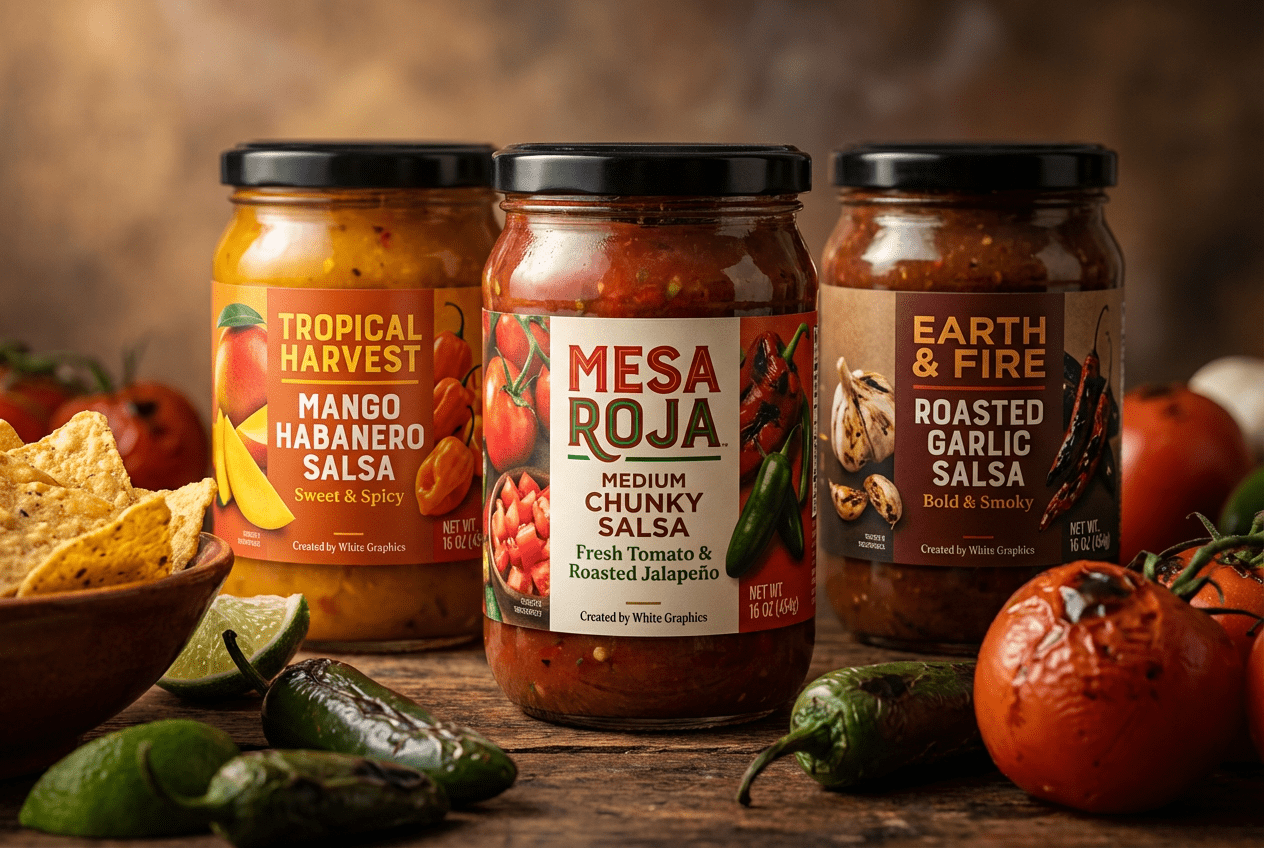
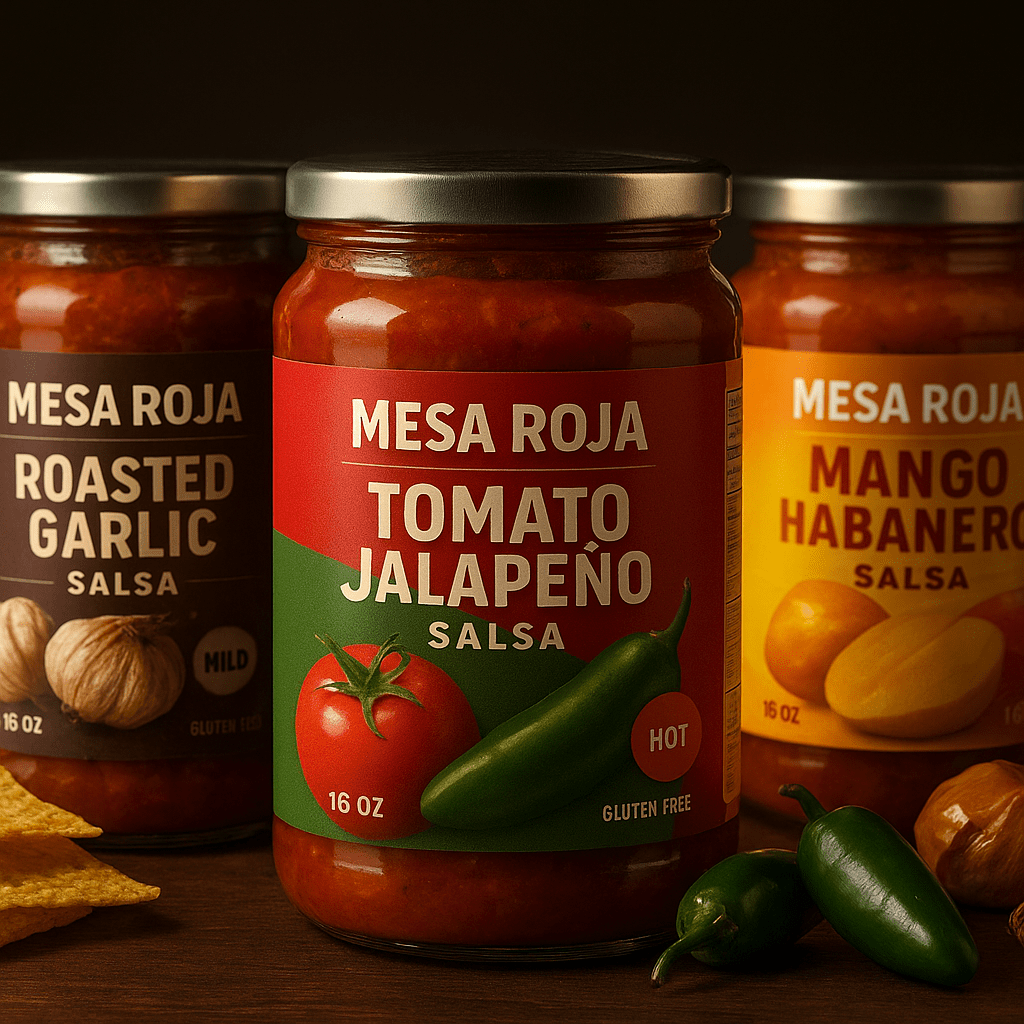
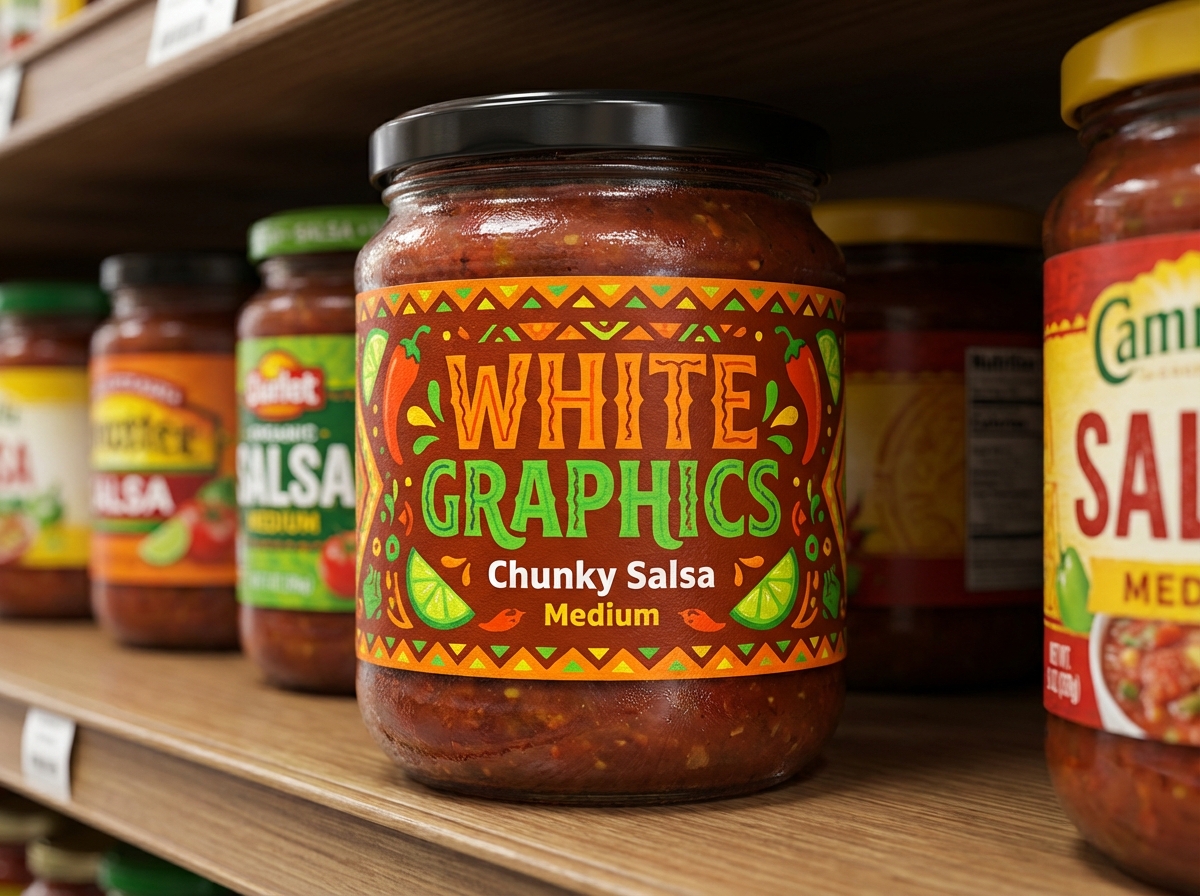
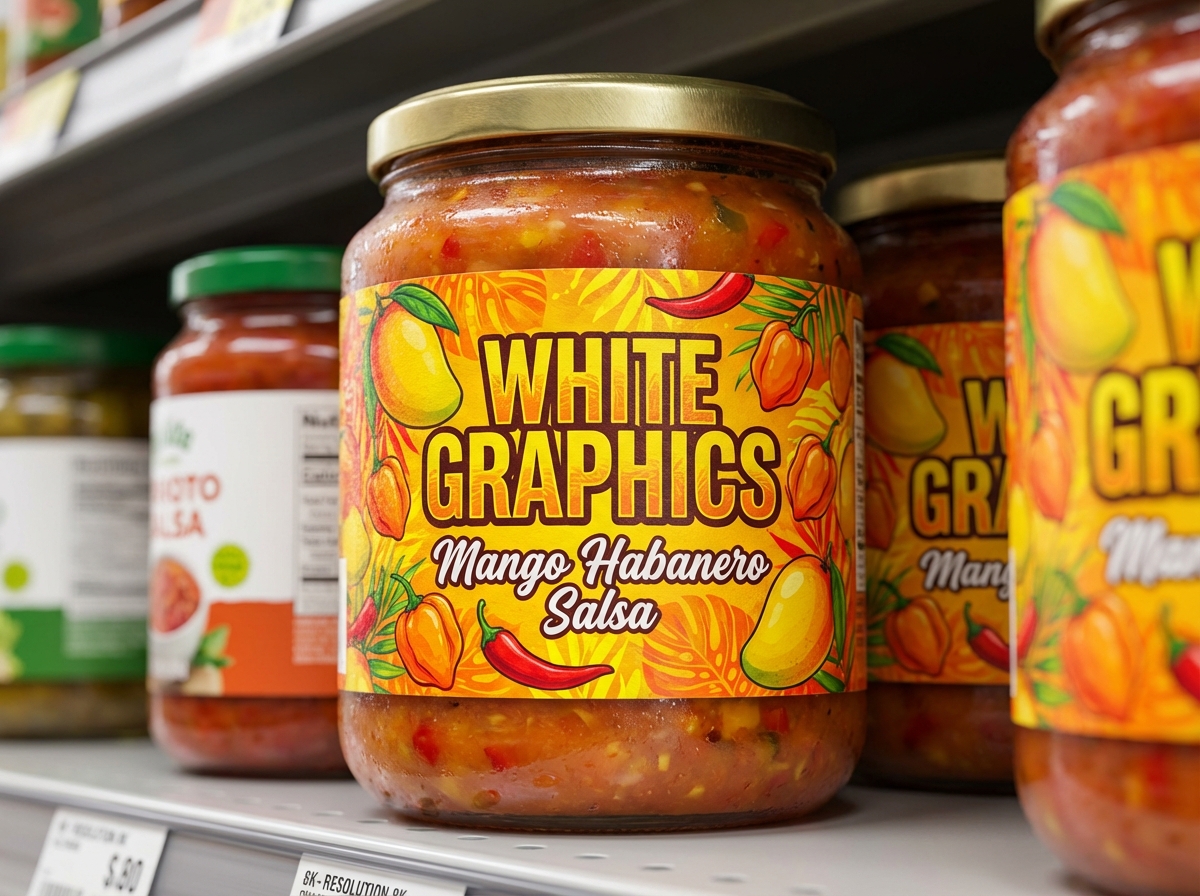
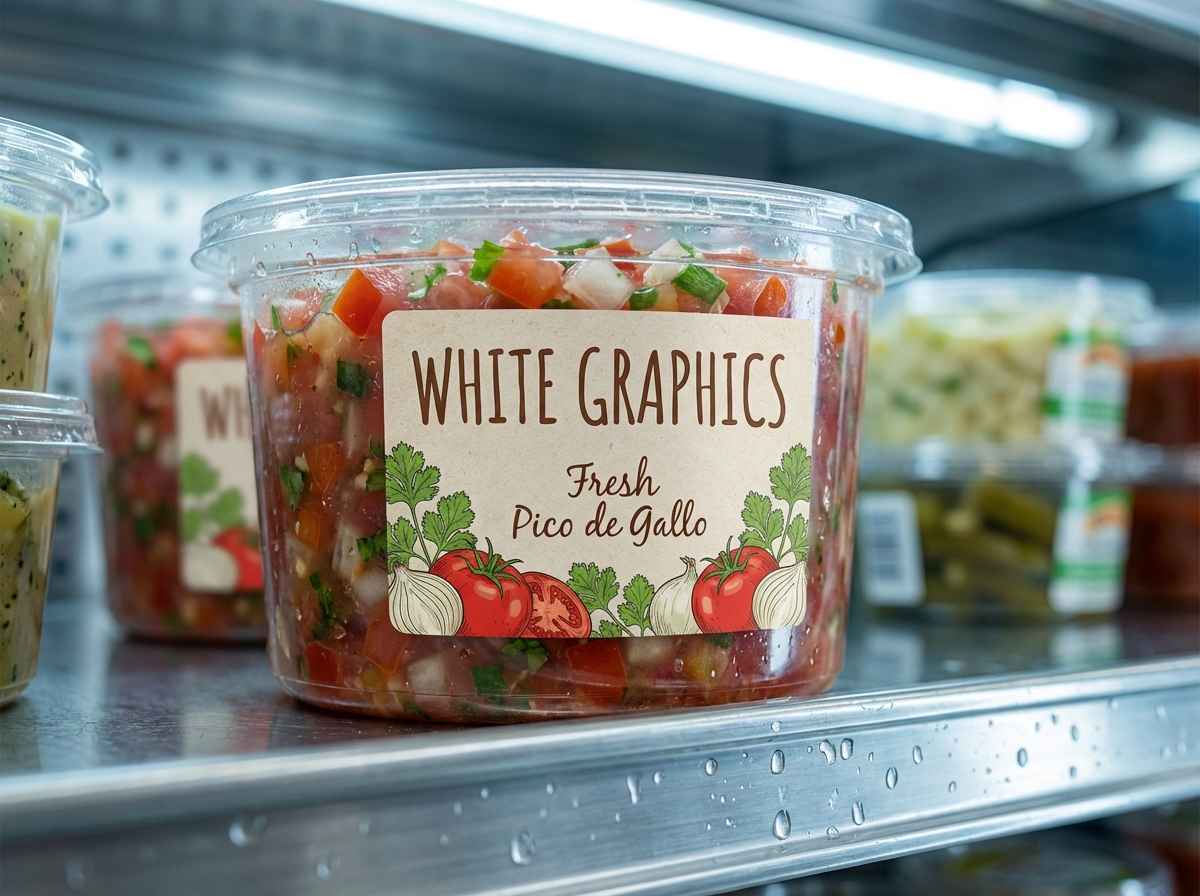
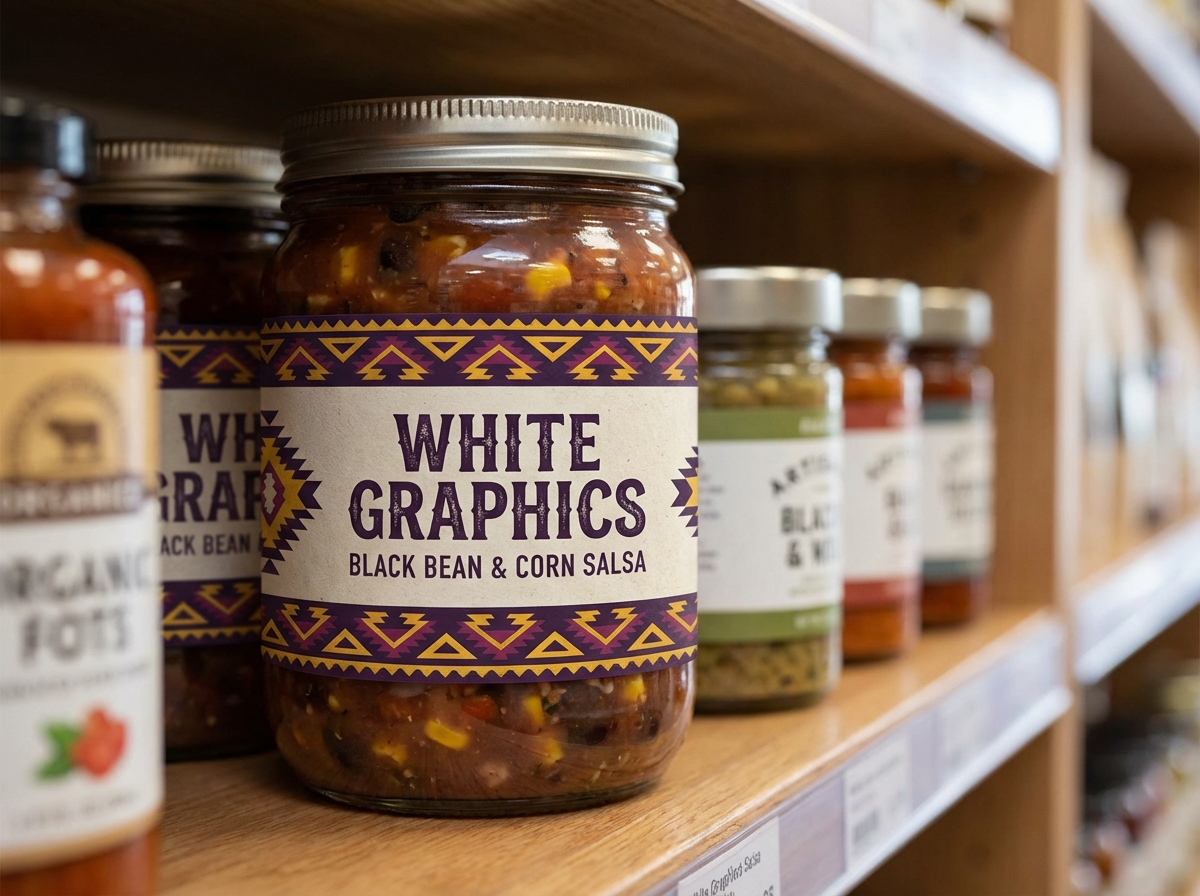
Jar wraps, deli-tub side bands, lid circles, portion-cup labels: our custom salsa labels cover every format the category ships in, for fresh-deli brands and shelf-stable jar lines alike. Those are two different products wearing the same name, with different labeling duties and different label physics. Refrigerated salsa lives wet in the deli case, while jarred salsa gets a water-bath or co-packer process and a pantry life. We handle salsa label printing for whichever yours is, with G7® Master Certified color from Naperville, Illinois.
Salsa label sizes for jars, tubs, and lids
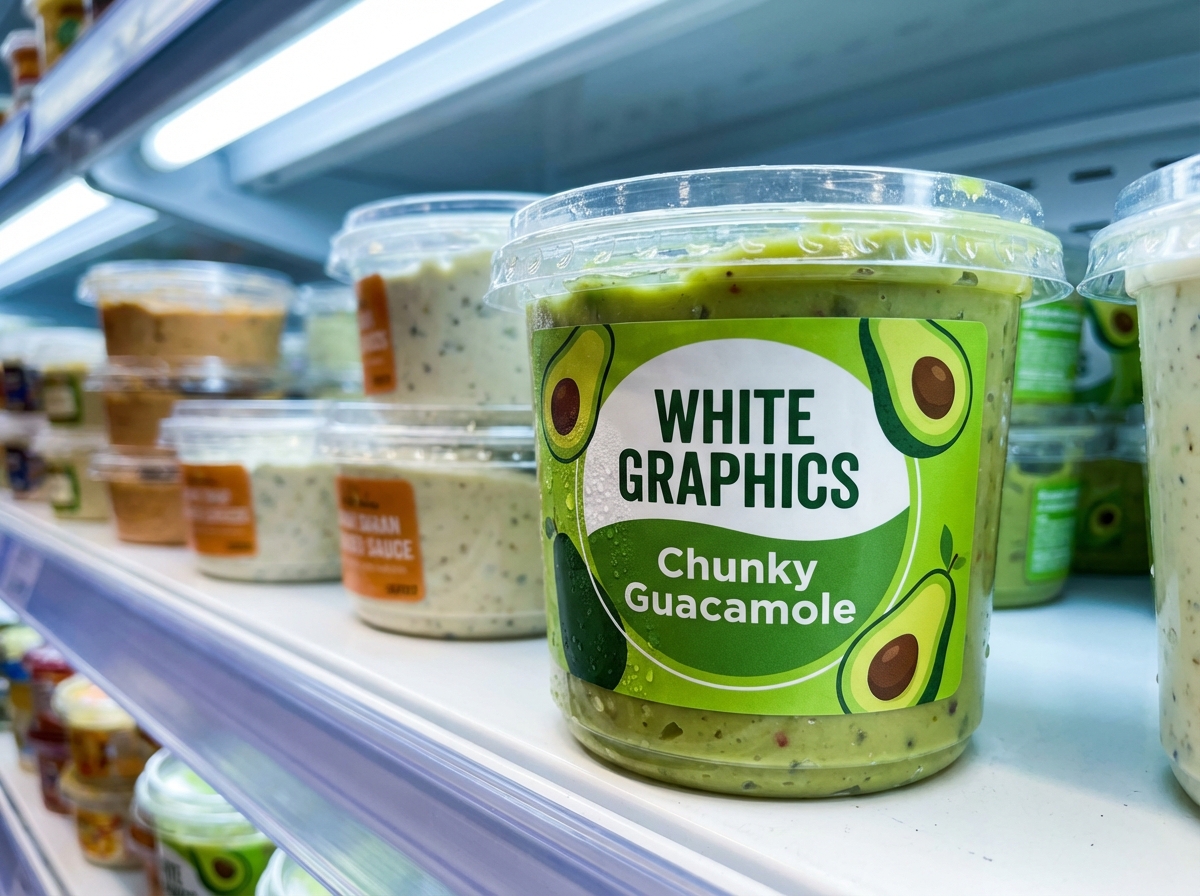
Jar or deli tub, the die matches the container you fill. The roster covers wraps and panels for 16 oz mason-style jars, side wraps and lid circles for deli tubs, and small labels for portion cups and samplers.
Shapes
Jar wraps, front panels, tub side-bands, lid circles, and pepper-and-fiesta custom die-cuts.
Materials
Durable white films for refrigerated and wet service (deli cases are humid places), with papers reserved for dry pantry jars.
Finishes
Gloss laminates that keep reds and greens vivid behind condensation; matte for craft positioning.
Formats
Rolls for filling lines, with jar and lid labels run together.
Tell us deli case or pantry shelf; that one answer sets the whole material spec.
Two salsas, two label lives
Fresh salsa sells cold, sweats constantly, and gets handled with wet hands over a two-week life. That is a film-and-cold-adhesive job, no exceptions. Jarred salsa survives processing at the co-packer and then lives dry until opened, which buys wider material latitude, though the label still meets steam and fridge life after opening. We spec each path on its own physics; one build does not fit both.
Red, green, and consistently so
Salsa merchandising is a red-and-green wall where shoppers find brands by exact hue. On our G7® Master Certified presses, your roja red and verde green hold identical across heat levels, container types, and every reorder, so your spot on that wall stays recognizable.
Which statements your salsa carries
The processing path decides the label copy. We lay out the right set for yours:
- Refrigerated fresh salsa: a clear keep-refrigerated statement, honest use-by dating, and cold-chain handling copy.
- Shelf-stable jarred salsa: typically an acidified food processed under your process authority’s filings; the label reflects that process and adds refrigerate-after-opening guidance.
- Identity and net contents: the common name and weight or fluid declaration, front panel, dual units.
- Ingredient list and allergens: descending order; watch-outs where recipes add cheese, or anything from the allergen list.
- Nutrition Facts: the current format, fitted to jar and tub panels at legal sizes.
- Heat-level variants: mild/medium/hot handled as label variants with everything shared except the heat cue.
Your process authority owns the processing classification; labeling itself follows the FDA’s food labeling guidance, and the printed label matches the spec you approved, line for line.
The whole chips-and-dip shelf
We print pressure-sensitive salsa labels for fresh pico and roja, salsa verde, queso and dips, taco sauces, and gift trios. Shelf neighbors: BBQ & hot sauce labels, snack food labels, and food labels for packaged goods. Or browse our full label lineup.
Jar and tub artwork that stays legible wet
Shoppers read salsa labels through condensation; the file should be designed knowing it. We check contrast for the wet case, keep date copy inside the safe zone, draw dies from real jars and tubs, and take art as vector (PDF, AI, or EPS) at 300 dpi in CMYK with bleed.
From recipe card to deli-case-ready
Salsa production splits by path in prepress: fresh gets cold-rated film builds, jarred gets the processing-friendly spec. Both then follow the same discipline of measured jar and tub dies, a GMG proof on the roja-and-verde palette, a G7®-controlled press run, lamination, and lids printed alongside wraps so the package matches. Heat variants merge in one pass, each in its own count.
Salsa label FAQs
Does fresh salsa need different labeling than jarred?
It does. Refrigerated salsa carries keep-refrigerated and dating copy; shelf-stable jars follow the acidified-foods path with refrigerate-after-opening guidance. We lay out whichever set your process calls for.
Will the label survive the deli case?
Yes. Film substrates with cold-rated adhesives and laminates are the fresh-salsa default, built for two weeks of condensation and handling.
Can you label mason-style jars?
We can. Expect wraps and panels sized to the jar’s real straight panel, plus matching lid circles that survive stacking.
How do mild, medium, and hot run?
As variants on shared dies: everything constant except the heat cue, each level in its own quantity, colors held identical.
What goes in the ingredient list?
Every ingredient in descending order by weight, with allergen declarations where the recipe brings them in. We set the list to spec at jar-panel sizes.
Do you handle co-packer roll specs?
We do. Rolls come set up for the applicator’s unwind and core, checked before the run.
What file format works for salsa label artwork?
True vector (PDF, AI, EPS) in CMYK at 300 dpi with bleed, plus jar and tub dies. Prepress checks wet-case legibility before the run.
Price your salsa labels
Send containers and heat levels; the quote scales from farmers-market batches to co-packer pallets.
Request a QuoteRelated products
-

Salad Dressing Labels
Salad dressing labels for fresh and shelf-stable lines - oil-tolerant builds, allergen-aware layouts,...
-

Soap Labels
Soap labels for bars, bands, and bottles - shower-proof materials, soap-vs-cosmetic labeling done...
-
Juice & Beverage Labels
Juice and beverage labels built for the cooler case - condensation-proof films, percent-juice...
-
Peanut Butter & Jelly Labels
Peanut butter and jelly labels with the standards of identity done right -...