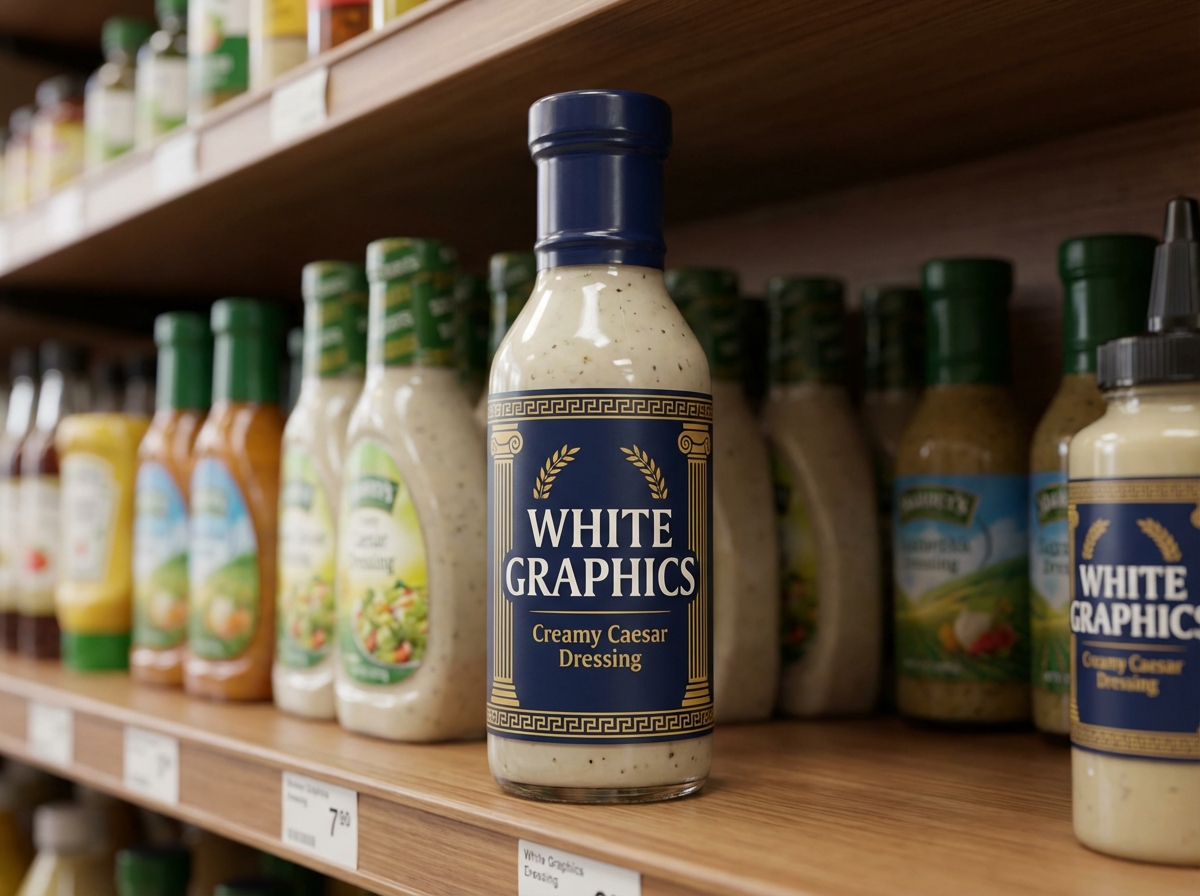
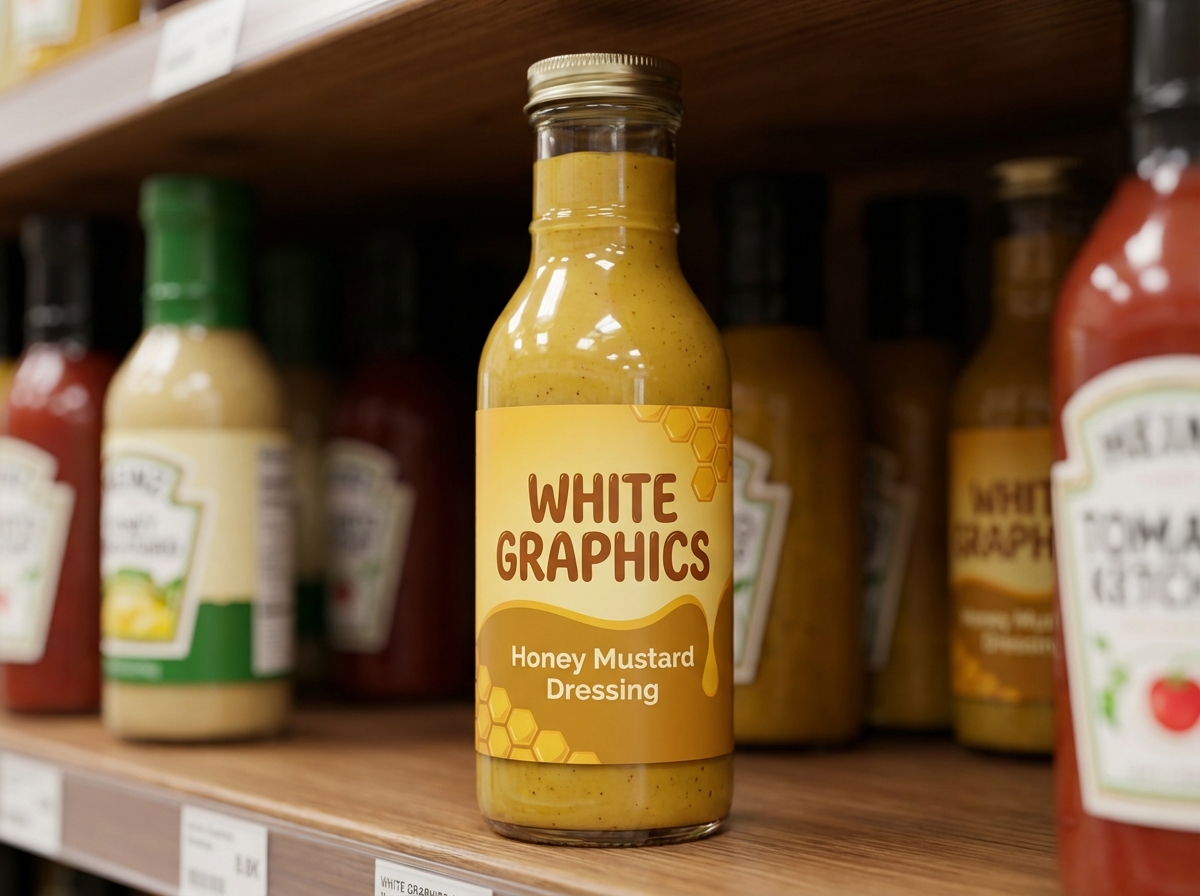
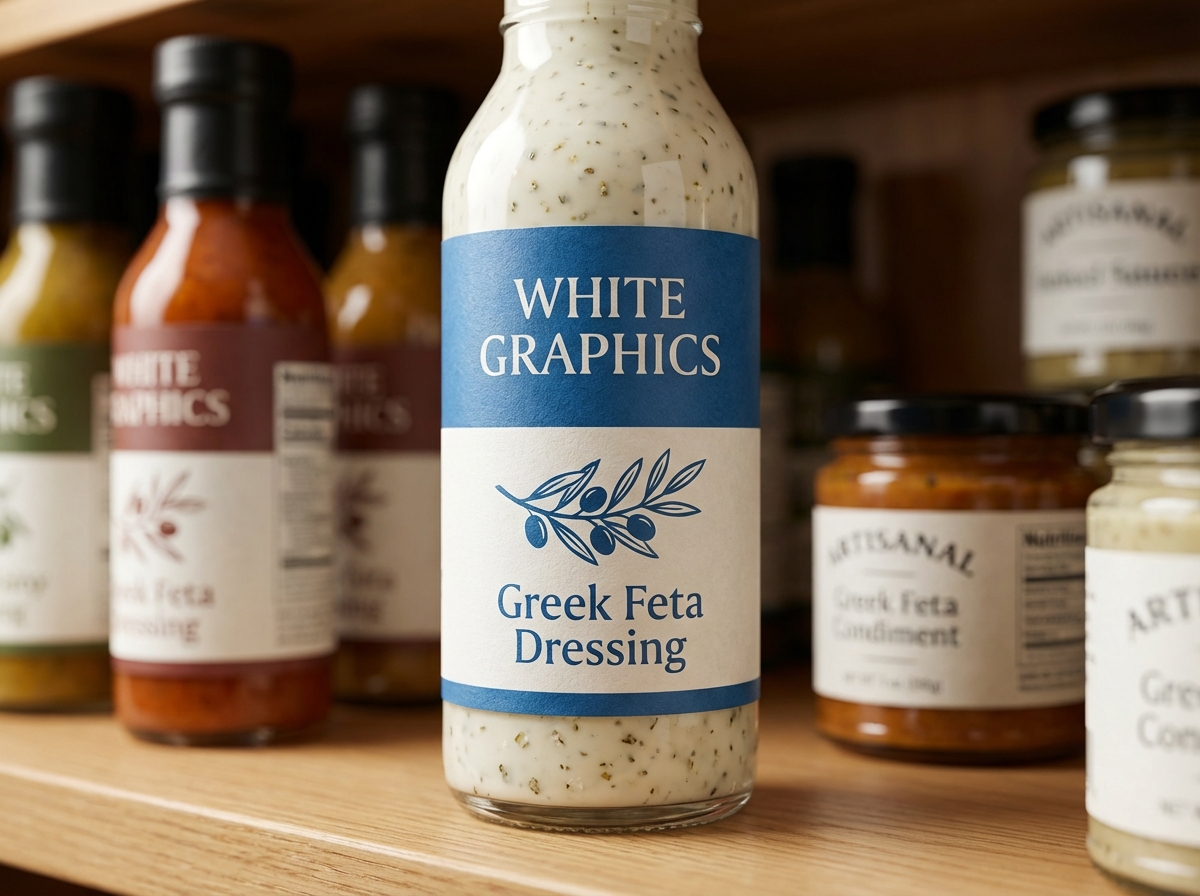
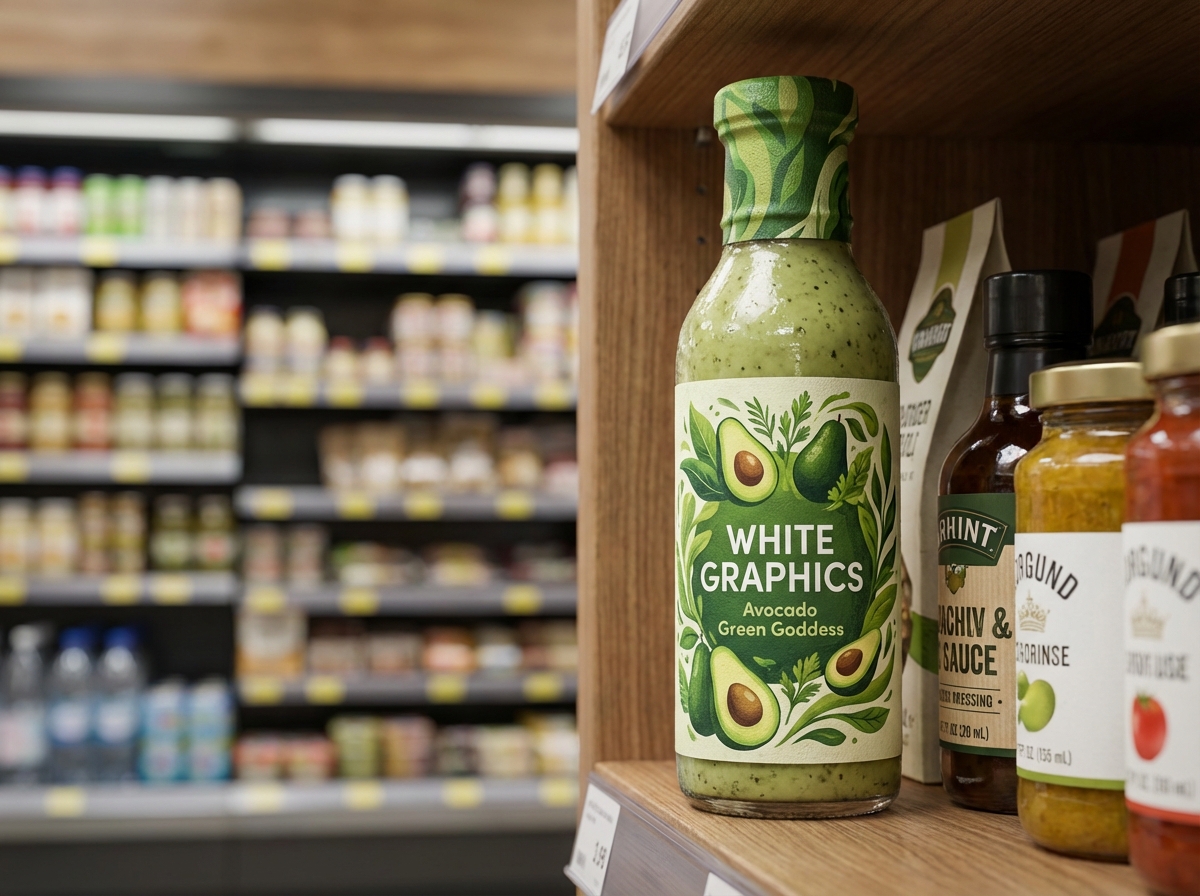
Salad dressing labels for fresh and shelf-stable lines – oil-tolerant builds, allergen-aware layouts, and keep-refrigerated copy set right.
Contact us for pricing, minimum quantities, custom specs, and turnaround times.

Color Accuracy Guaranteed
Put the wrong label on a dressing bottle and the failure arrives in stages: oil film creeps under the edge, refrigeration stiffens the adhesive, and weeks of shake-well handling leave corners lifting in the deli case. We print custom salad dressing labels for fresh-bottled brands and shelf-stable lines on builds that stand up to all three. Dressing recipes also lean on the allergen list’s greatest hits, and the label has to say so plainly. Dressing label printing runs here from deli-cooler batches to distribution scale, G7® Master Certified in Naperville, Illinois.
Dressing label sizes for cruets, rounds, and jugs
No two dressing bottles share proportions, so each die comes off the bottle in question. We shape front-and-back sets for 8–16 oz rounds and cruets, wraps for squeeze bottles, and large panels for foodservice jugs.
Shapes
Tall panels for cruets, wraps for rounds, and custom die-cuts, with dies drawn to shoulder curves.
Materials
Durable white films with oil-tolerant adhesives; refrigerated lines get cold-rated builds by default.
Finishes
Gloss laminates for produce-aisle pop, matte for craft positioning. Sealed either way against oil.
Formats
Filling-line rolls or hand-apply singles.
Fresh-bottled or shelf-stable? The distribution path drives both the copy and the adhesive.
Emulsions are hard on bottles — and labels
Dressing bottles get shaken hard before every pour, wiped with oily hands after, and stored on their sides in deli cases. That’s flex, oil, and cold working the label at once. We spec conformable film for squeeze formats, oil-rated adhesives everywhere, and laminates that keep the panel wipeable, because a vinaigrette bottle that looks greasy sells like one.
Ranch to raspberry, one recognizable family
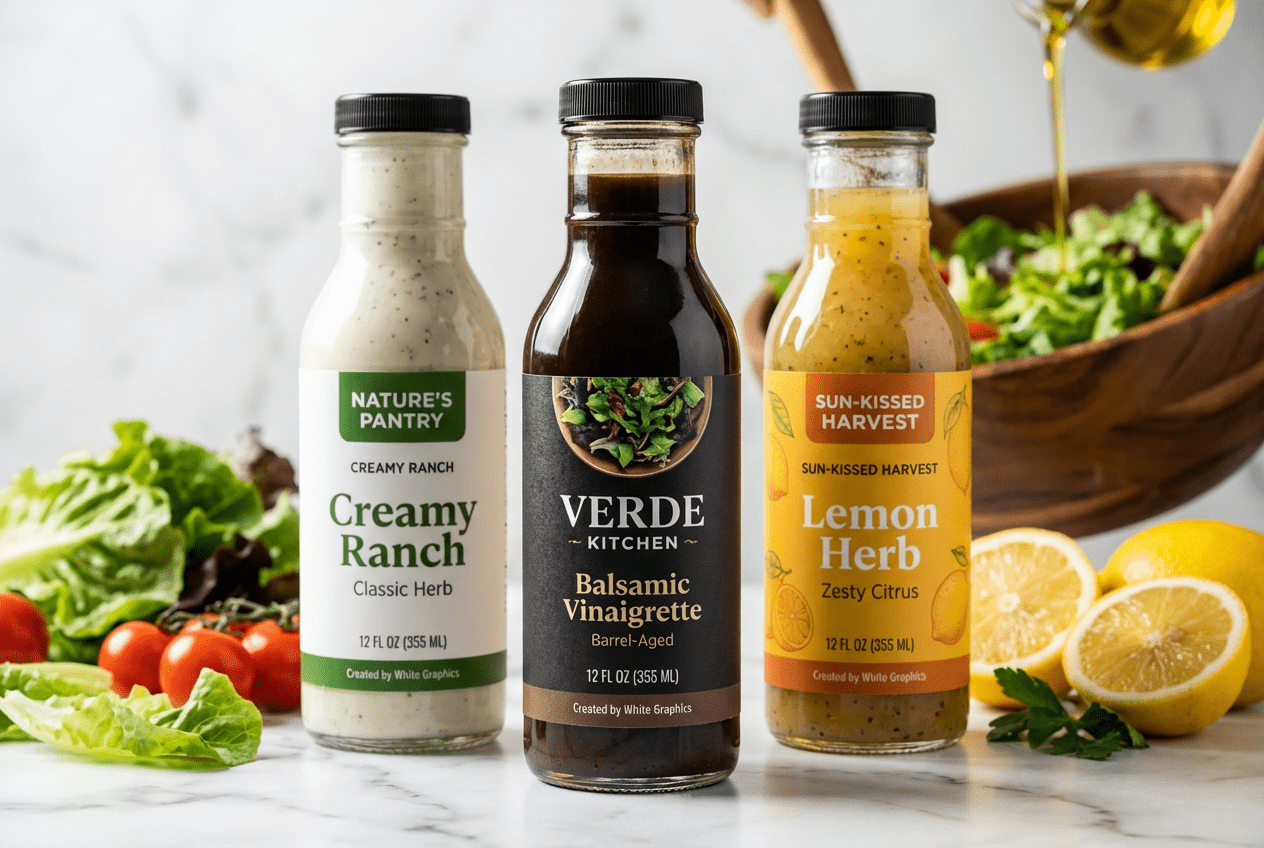
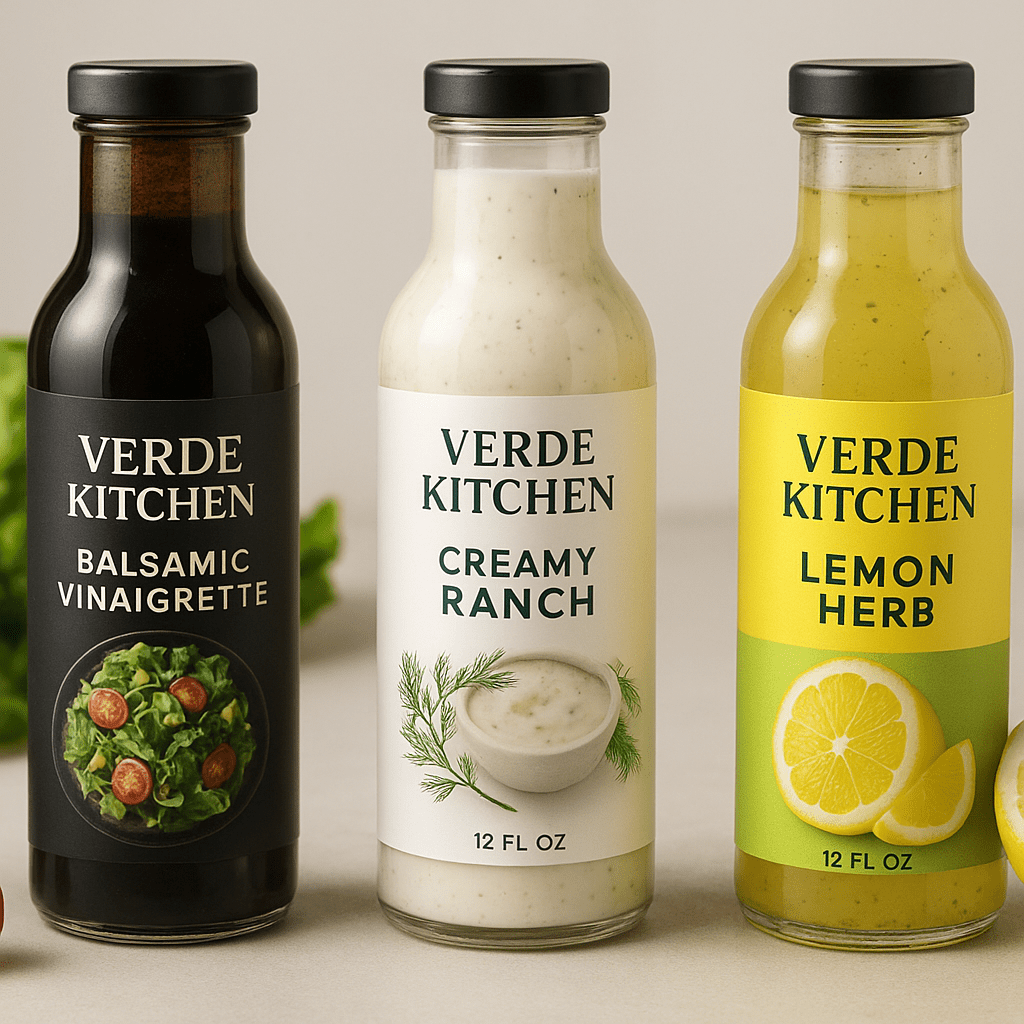
Dressing lines grow flavor by flavor, and the brand holds together through its shared elements. Digital printing runs the family on shared dies with each flavor in its own quantity, and G7®-calibrated color keeps the family resemblance exact through every reorder.
Dressing labels, from Contains lines to keep-refrigerated
Dressings sit under FDA food-labeling rules, with recipe realities that concentrate the risk in two places: allergens and cold-chain copy. The checklist, set piece by piece:
- Identity and naming care: a few classic dressings carry federal standards of identity, so what you may call the product depends on what’s in it; naming decisions stay with your advisor, and we set the approved name correctly.
- Net contents in fluid measure: dual units, front panel.
- Ingredient list: descending order with sub-ingredients declared; dressings are sub-ingredient country.
- Allergen declarations: egg, dairy, soy, anchovy, wheat, and sesame appear constantly in dressing recipes; the Contains line covers what your formula includes.
- Keep-refrigerated statements: fresh-bottled lines say so plainly; shelf-stable lines carry refrigerate-after-opening guidance.
- Nutrition Facts: current format with serving conventions for dressings.
The authority here is the FDA’s food-labeling framework; what your advisor approves is what the bottle wears.
Dressings and their tablemates
We print pressure-sensitive dressing labels for vinaigrettes, creamy dressings, marinades, and dipping sauces, deli-fresh and shelf-stable alike. Related categories: cooking oil labels, vinegar & dressing labels, and grocery-ready food labels. Or browse our complete lineup of label types.
Bottle artwork that reads through the fridge door
Dressing art gets judged through deli-case glass, so prepress checks contrast and minimum type sizes for that exact shelf. The Contains line stays inside a safe zone, dies come off the actual cruet or round, and files arrive as vector (PDF, AI, or EPS) with bleed, built CMYK at 300 dpi.
Dressing-line production, fridge-ready
Dressing runs begin with the distribution answer, fridge or shelf, which sets film and adhesive. Prepress draws dies to cruets and rounds, sets the Contains line where it stays legible, and issues a GMG proof; the G7®-controlled run follows with lamination sealed against oil and applicator-spec winding. Flavor families share setups, so ranch and raspberry ship together, each in its own count.
Salad dressing label FAQs
What allergens do dressing labels usually declare?
Egg, dairy, soy, fish (anchovy in Caesar and Worcestershire-based recipes), wheat, and sesame are the frequent flyers. Whatever your formula includes, the Contains line gets set correctly and legibly.
Does my fresh dressing need a keep-refrigerated statement?
Cold-chain dressings say so plainly on the label, along with honest dating. We set both to spec for your distribution path.
Will the label hold up to oil and shaking?
That is what the build is for: oil-rated adhesives, sealed film faces, and conformable stock on squeeze bottles.
Can I call my product a vinaigrette or dressing freely?
Mostly. A few classic names carry federal standards of identity, so your advisor confirms the naming and we print the approved identity correctly.
Can flavors run in different quantities?
They can. Shared dies and digital printing let every flavor run in its own count with identical family branding.
Do you print foodservice jug labels too?
Jug labels run here all the time: large-format panels for gallon and foodservice sizes, matched to the retail line’s design.
What file format works for dressing label artwork?
AI, EPS, or vector PDF at 300 dpi in CMYK, bleed on, dies from your cruets and rounds. Deli-case contrast gets checked in prepress.
Quote your dressing labels
Send the bottle lineup and flavor list; fridge or shelf, the build and the number match your distribution.
Request a QuoteRelated products
-
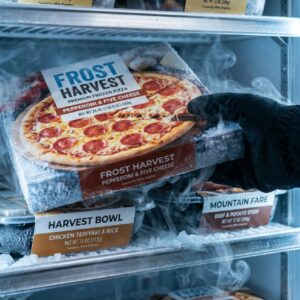
Freezer-Safe Labels
Freezer-safe labels engineered for both application and service temperature - cold-apply adhesives, frost-cycle...
-
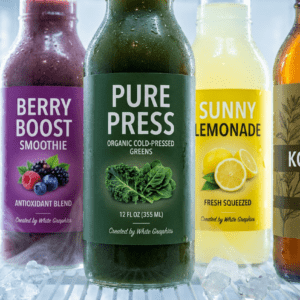
Juice & Beverage Labels
Juice and beverage labels built for the cooler case - condensation-proof films, percent-juice...
-
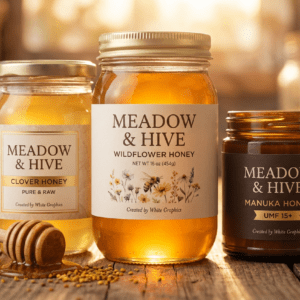
Honey Jar Labels
Honey jar labels that stay clean on sticky jars - drip-resistant films, FDA-aware...