
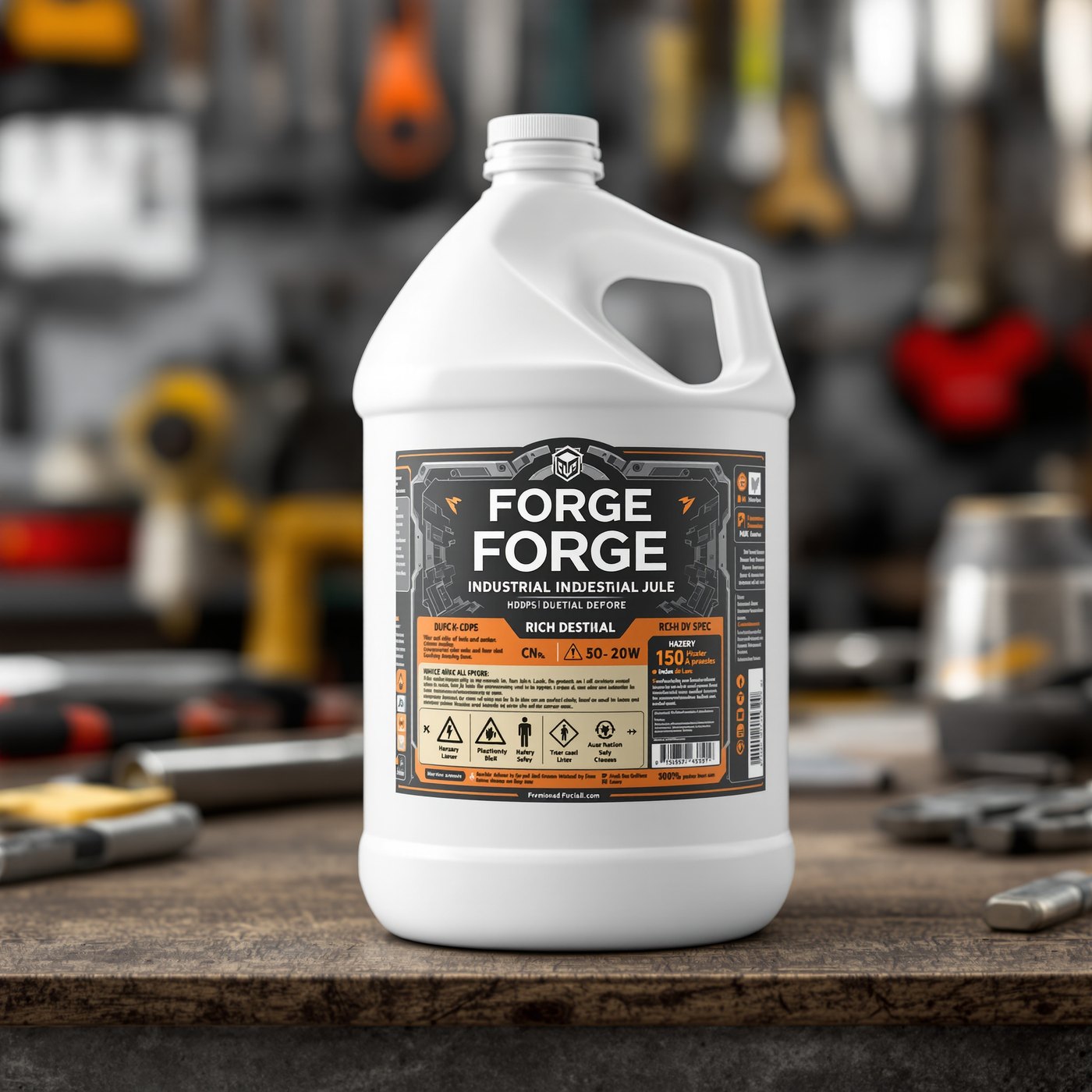
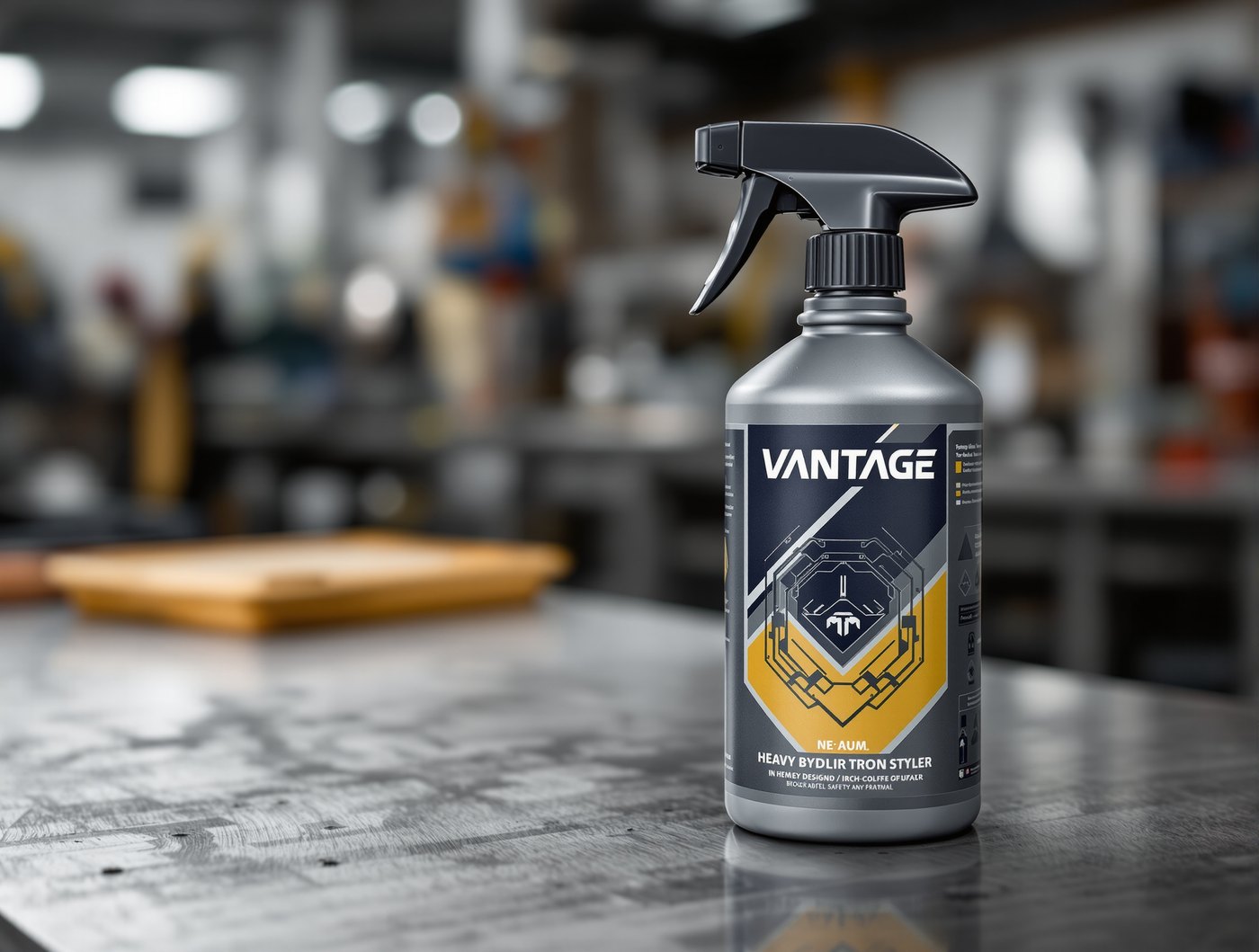
Industrial labels engineered for service life – surface-matched adhesives, chemical and UV-rated laminates, serials and variable data in one run.
Contact us for pricing, minimum quantities, custom specs, and turnaround times.

Color Accuracy Guaranteed
Substrates
Finishes
Applications
Your equipment ships into environments that destroy ordinary print: abrasion, chemicals, UV, heat cycles, and power washing are the job description. We build custom industrial labels for OEMs, equipment builders, and plant operations, covering rating plates’ adhesive cousins, panel markings, part identification, and branded equipment labels that have to stay legible for the machine’s working life. Every job prints under G7® Master Certified color control, managed from Naperville, Illinois.
Industrial label sizes from component decals to panel plates
The equipment dictates the die: recesses, panels, and curves get measured before we draw it. We fabricate small component and cable markers, control-panel and instruction labels, brand and model plates, and large equipment-side panels.
Shapes
Rectangles, squares, circles, slots, and custom die-cuts matched to housings, panels, and recessed label areas.
Materials
Heavy-duty white films engineered for industrial service: dimensionally stable, tear-resistant, and temperature-tolerant.
Finishes
Abrasion- and chemical-rated laminates, gloss or matte, chosen for the specific abuse the equipment takes.
Formats
Pressure-sensitive singles, kitted sheets for assembly lines, and rolls for automated application.
Tell us the surface and the service environment; that pair drives every material decision.
Specified to the environment, not to a price sheet
Industrial label failures trace to mismatches: a general-purpose adhesive on powder coat, an unlaminated face in a splash zone, an indoor film on outdoor equipment. We spec from two questions, what surface and what abuse, and build accordingly: high-tack adhesives for textured and low-energy surfaces, laminates rated for the chemicals your plant runs, films that hold color through UV exposure. The label is part of the machine; it should last like one.
Brand consistency across an equipment line
An equipment brand shows up in the field as a fleet, and mismatched label color across model years reads as cheap. G7® Master Certified presswork repeats brand color identically across every model, size, and reorder, so a unit built this year matches the one sold five years ago.
What we check before an industrial label ships
Durability is engineering, not marketing. Before an industrial label runs, we work through the checklist that determines whether it survives:
- Surface energy and texture: powder coat, bare metal, and textured poly each need a matched adhesive; the wrong one lets go in months.
- Chemical exposure: cutting fluids, solvents, fuels, and cleaners each attack differently; the laminate is chosen against your actual chemistry.
- Abrasion and impact: forklift traffic, cable drag, and boot scuffs demand laminates that sacrifice themselves before the print does.
- UV and weather: outdoor equipment needs UV-stable inks and films, or the label bleaches unreadable in two summers.
- Temperature range: engine compartments and cold storage push adhesives outside their comfort zones; we spec to the extremes.
- Application conditions: labels applied to cold or oily surfaces on the line need adhesives that tolerate imperfect application, because production reality isn’t a lab.
Where these labels earn their keep
We print pressure-sensitive industrial labels for machinery and equipment OEMs, electrical enclosures and panels, HVAC and mechanical systems, material-handling fleets, and plant asset programs. Adjacent work: serialized variable data labels, scan-checked barcode labels, and cleaning supply labels for the chemicals side. Or browse the complete lineup.
Equipment artwork and data files
Industrial files come in pairs: artwork and data. The art wants dies matched to the label recesses on your housings, bleed, and vector format (PDF, AI, or EPS) at 300 dpi in CMYK; the data arrives as a spreadsheet and prepress merges it per label. Model-specific sets get organized so the assembly line pulls the right kit for the right unit.
Spec-built production for equipment programs
Industrial orders start from two answers, surface and environment, and prepress builds to them: dies matched to housings, adhesives matched to powder coat or poly, serial data merged and validated. A proof confirms layout, then the run prints G7®-controlled on heavy-duty film with the laminate rated for your plant’s chemistry, kitted by model when the assembly line needs sets.
Industrial label FAQs
Will the labels stick to powder-coated equipment?
They will, with high-tack adhesives specified for low-energy and textured surfaces. Standard adhesives are the reason most labels fall off powder coat; matched ones are the fix.
How do they hold up to solvents and cutting fluids?
The laminate is chosen against your actual plant chemistry. Tell us what the equipment sees and we spec a face that takes it.
Can you print serials and model data on each label?
Yes. Serials, model numbers, barcodes, and per-unit data print digitally from your spreadsheet in one run, every label unique where it needs to be.
Do you handle outdoor equipment labels?
We do. UV-stable inks, films, and laminates rated for weather exposure keep the label legible summer after summer.
Can fifty equipment models run as one order?
They can. Digital printing means no plates made per version; each model’s label set runs in its own quantity within one job.
What files do you need for industrial label printing?
Two files: vector art (PDF, AI, or EPS, CMYK, 300 dpi) and a clean spreadsheet for anything serialized. Prepress merges and validates the pair.
Spec an industrial label build
Send surfaces, environments, and the label list. The quote comes back as an engineering answer with a price on it.
Request a QuoteRelated products
-
Cover-Up Labels
Cover-up labels with true blockout opacity - regulatory corrections, barcode recodes, and import...
-
Household Labels
Household product labels across jugs, sprays, tubs, and boxes - room-proof materials, caution...
-
UPC & Barcode Labels
UPC and barcode labels that scan the first time - GS1-based setup, protected...