
Last updated: September 20, 2026
For most of its history, packaging had one job after the sale: hold the product and look good doing it. That is no longer the ceiling. A small square of printed ink now lets a package do the work of a landing page, a loyalty card, and a proof of authenticity, all triggered by a device every shopper is already holding. In 2026 the smartest brands have stopped thinking of the package as the end of the marketing and started treating it as a channel in its own right, one they own outright and pay no platform to reach.
Table of Contents
- The printed code is the cheapest media a brand owns
- One code, many jobs
- When every unit is different: variable data
- The catch: a code only works if it scans the first time
- Speccing connected packaging
- The takeaway
- FAQ
The mechanics are less exotic than they sound, and the part that has to be right is squarely a print decision. Here is how connected packaging actually works, and what has to happen on press for it to pay off.
The printed code is the cheapest media a brand owns
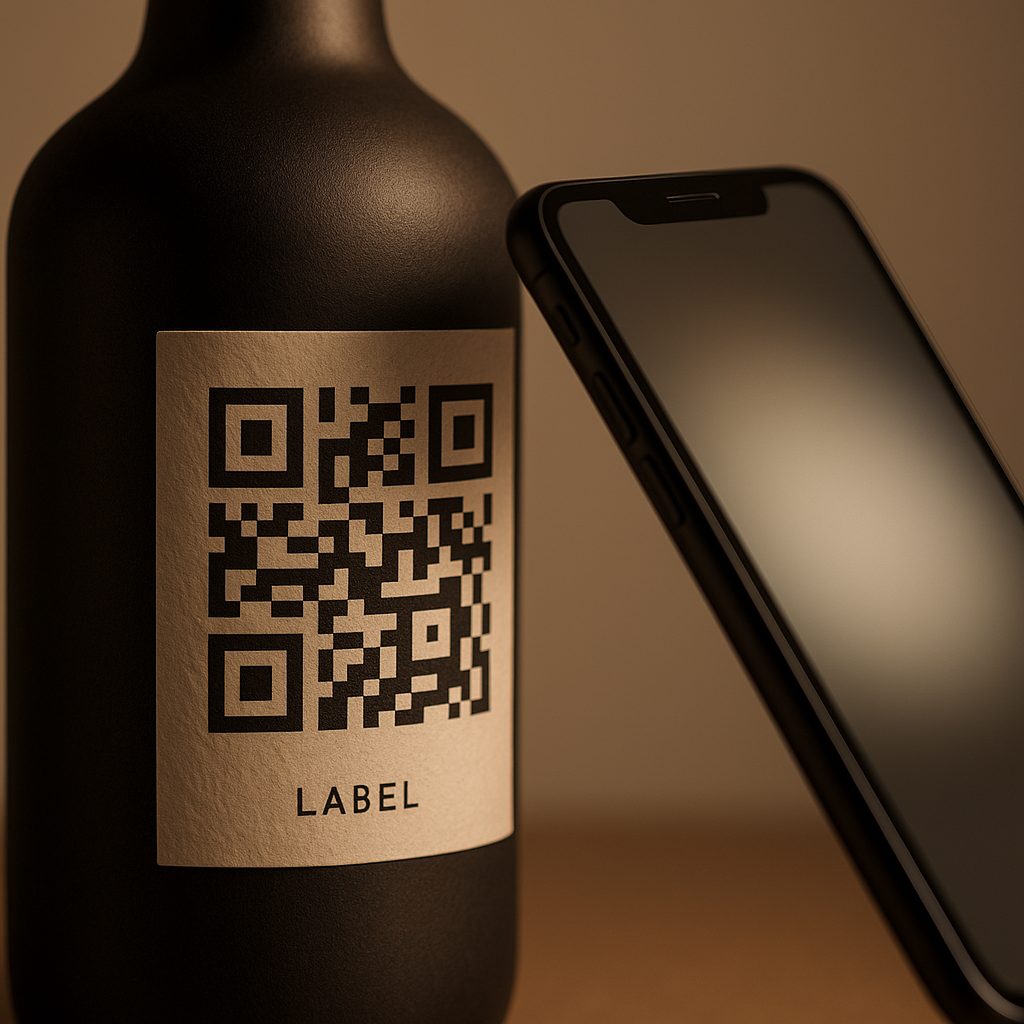
The workhorse of connected packaging is the printed 2D code: a QR or GS1 data-matrix square that any phone camera reads with no app to download. Some brands go further with embedded chips or on-screen experiences, but the printed code is the one that runs everywhere, costs almost nothing to add, and never needs a battery. It is simply artwork, ink on the same substrate as the rest of the label, which means the only real question is whether it is printed well enough to scan the first time, every time.
Because it lives on a package the customer has already chosen to pick up, that code reaches people at the single highest-intent moment in the whole funnel: hand on product, deciding. There is no cheaper or more qualified audience a brand will ever address.
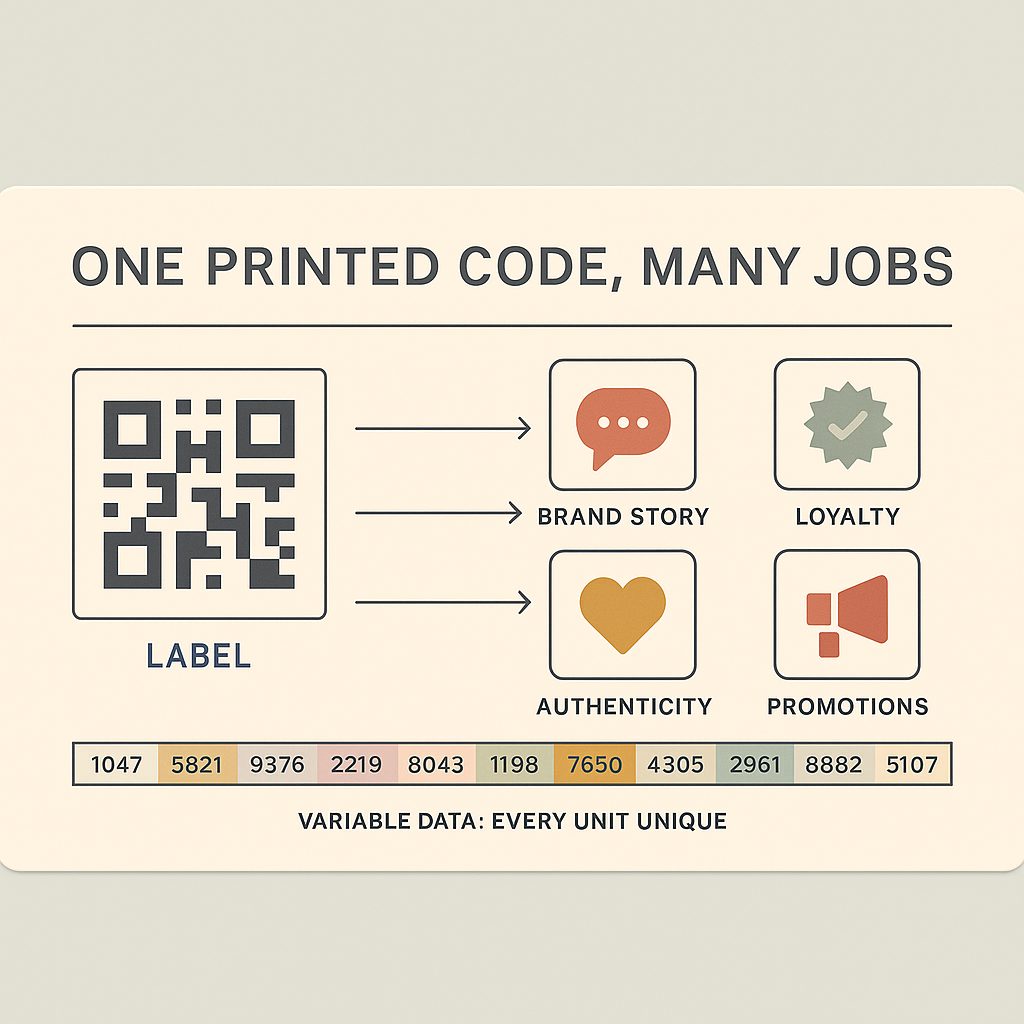
One code, many jobs
What sits behind the scan is up to the brand and its platform, and the same printed square can point anywhere over time. The common uses:
The brand story. Sourcing, the people behind the product, how to use it. The context a cramped label can never fit.
Loyalty and reorder. One tap to reorder, to register, or to join a program. The package becomes the top of a repeat-purchase loop.
Authenticity. A way for a buyer to confirm a product is genuine, which matters more every year in premium categories.
Promotions and experiences. A campaign, a contest, a seasonal moment the brand can change without reprinting a thing.
The package does not change. The destination behind the code can change as often as the marketing calendar does. That is what makes it a channel rather than a one-time print.
When every unit is different: variable data
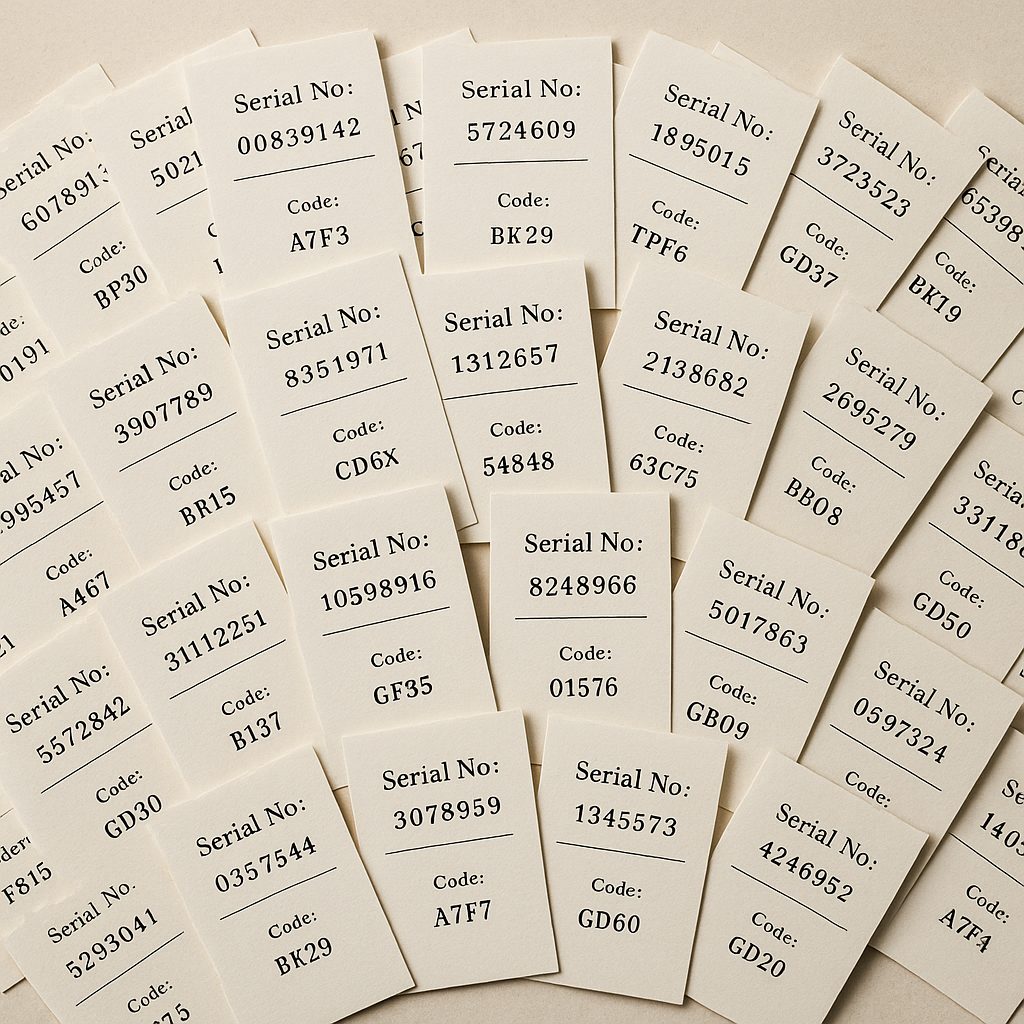
The next step past a single shared code is giving every unit its own. On a digital press, each label in a run can carry a unique number, code, or even a unique message, without stopping to change a plate. That capability, variable-data printing, is what makes a thousand or a million individually distinct packages possible from one job. It is how brands run serialized authenticity, one-to-one promotions where each buyer scans a code no one else has, and the kind of at-scale personalization that used to be impossible in print. Every unit becomes its own touchpoint instead of one of a million identical copies.
The catch: a code only works if it scans the first time
Here is where connected packaging quietly lives or dies, and it is entirely a production question. A code that hesitates, that a shopper has to reangle and try three times to read, does not feel clever. It feels broken, and it takes the brand’s credibility down with it. Reliable scanning depends on unglamorous print fundamentals: enough contrast between the code and its background, a clean quiet zone around it, sharp edges with no ink spread closing up the pattern, and color that is consistent enough that the contrast holds on every reorder. We print and color-manage to G7 and GMG standards precisely so the code that verified on the proof keeps verifying at full production volume. A marketing idea this good deserves a code that works on the first try.
Speccing connected packaging
Decide the destination before you print. The code is permanent for that run, but the page behind it is yours to change. Plan for the destination to evolve so a good code is not wasted on a dead link later.
Give the code room and contrast. Treat the quiet zone and the contrast ratio as non-negotiable layout constraints, not things to squeeze when space runs short.
Prototype the scan. Print a real proof and scan it, with a normal phone, in normal light, before the full run. We can typically turn a physical proof within a week, which is the only honest test of whether a code reads on the actual substrate.
Lock the color. Scanning reliability rides on contrast, and contrast rides on consistent color. That is a print-management decision made up front.
The takeaway
The package a brand is already paying to print can be the cheapest, highest-intent marketing channel it owns. A printed 2D code turns it into a doorway; variable data gives every unit its own identity; and the whole idea works only if the code scans on the first try, which is a matter of print quality and consistent color rather than clever concepting. Design the destination, respect the code, prototype the scan, and lock the color. Do that and every unit that leaves the shelf is a marketing moment waiting to happen.
FAQ
What is connected packaging?
Packaging that carries a printed code, usually a QR or GS1 data matrix, linking the physical product to something digital. The package becomes a marketing channel rather than only a container, and the destination behind the code can change without reprinting anything.
What can a QR code on packaging be used for?
Four common jobs: the brand story and sourcing detail a cramped label cannot fit, loyalty and one-tap reorder, authenticity confirmation, and promotions or seasonal campaigns that change on the marketing calendar rather than the print schedule.
What is variable data printing?
Printing where each unit in a run carries its own unique content. On a digital press every label can hold a different number or code, which is what makes per-unit authentication, serialisation and one-to-one promotions possible.
Why does my QR code fail to scan?
Almost always quiet zone, contrast or substrate. A code needs clear space around it, real contrast against what it is printed on, and consistent ink density. A code that has to be reangled to read has already lost the scan.
Print a code that scans the first time
Scanning reliability is decided on press, not in the design file. Request a quote from White Graphics to prototype the real code on the real substrate, or read more about variable data labels.
About the publisher
White Graphics is a G7 Master qualified custom label and packaging company managed out of Naperville, Illinois, serving food, beverage, supplement, cosmetic, and household-product brands across North America since 1972. Learn more about the company or see the full range of capabilities.