
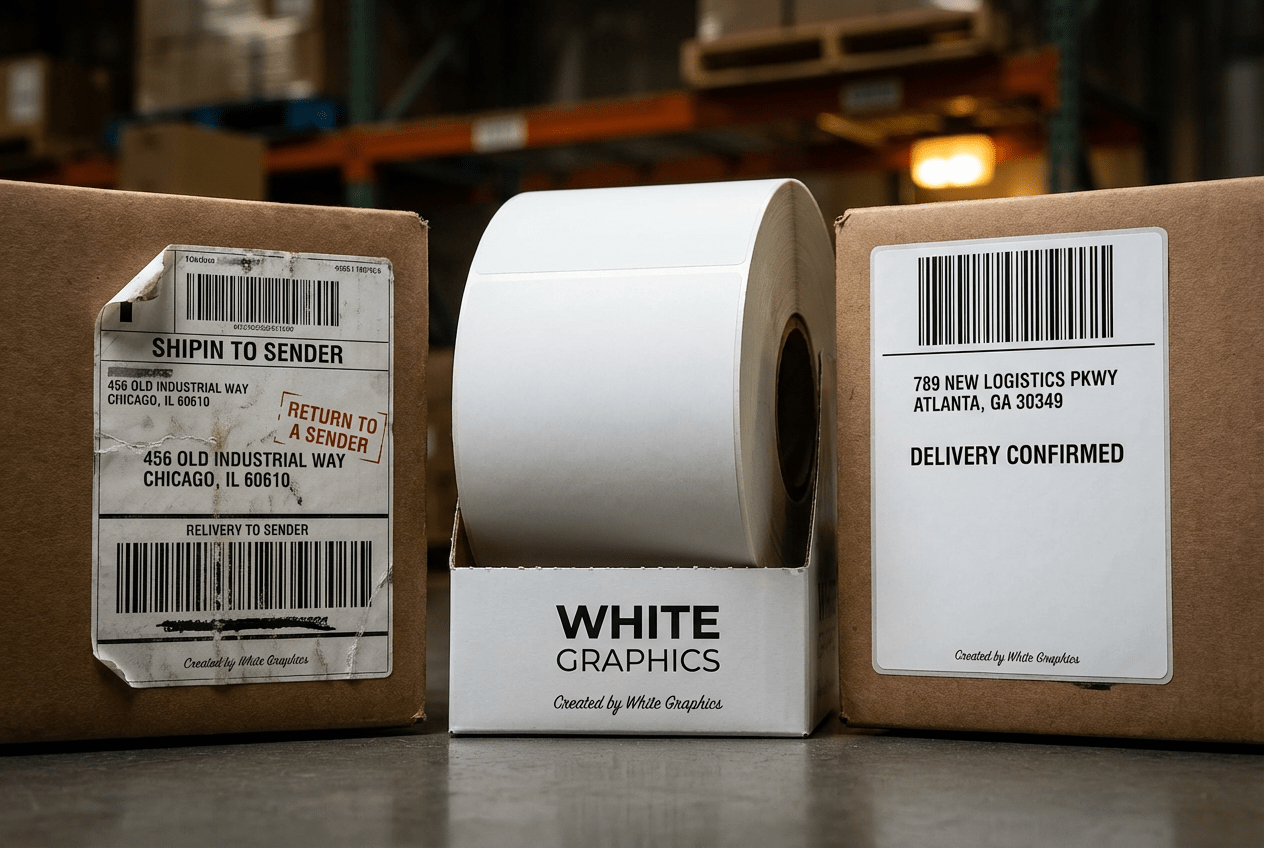
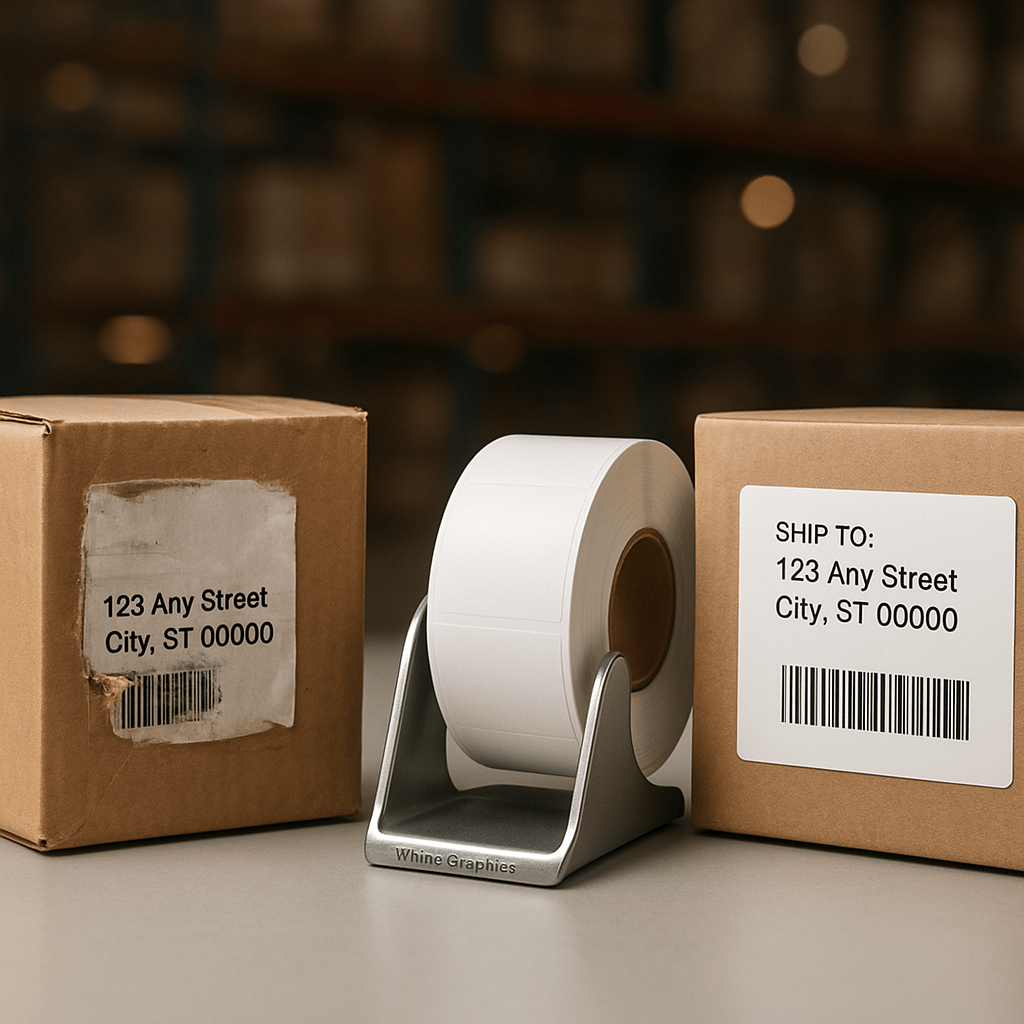
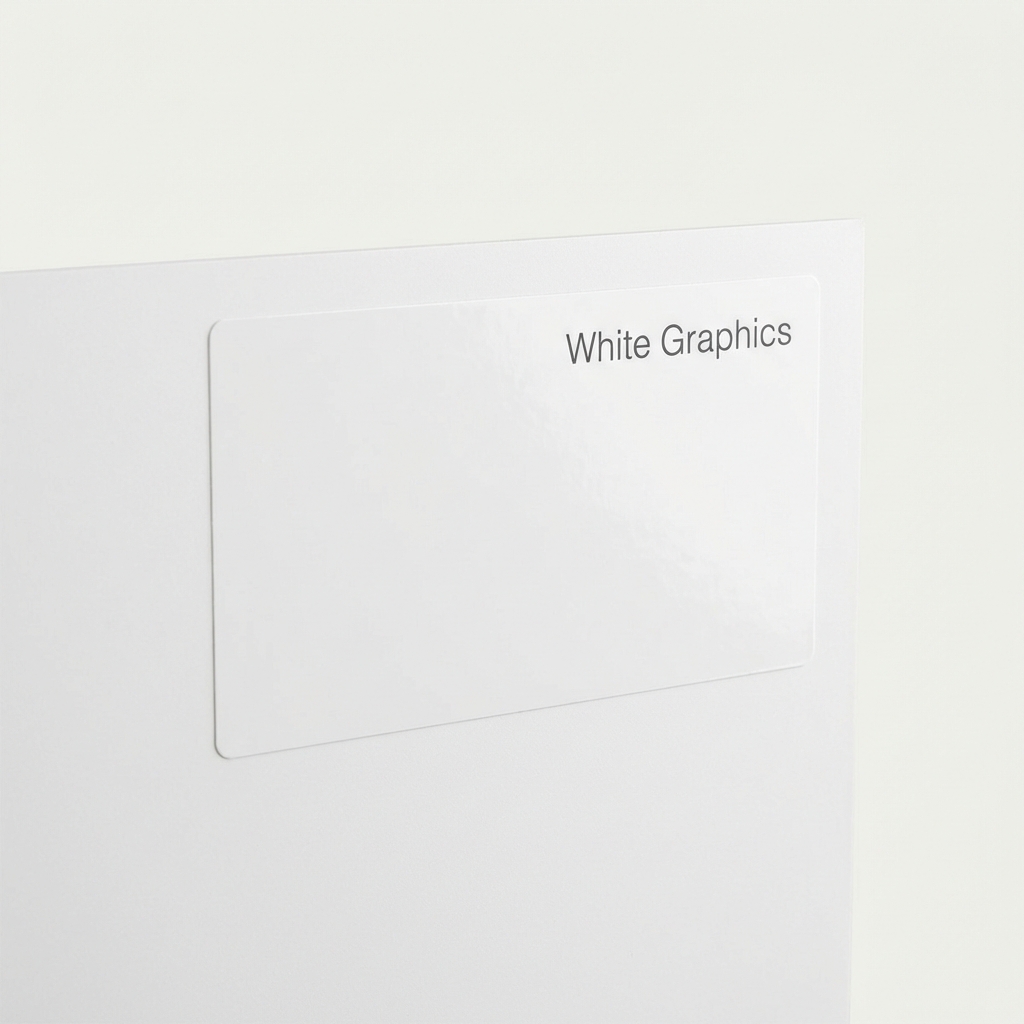
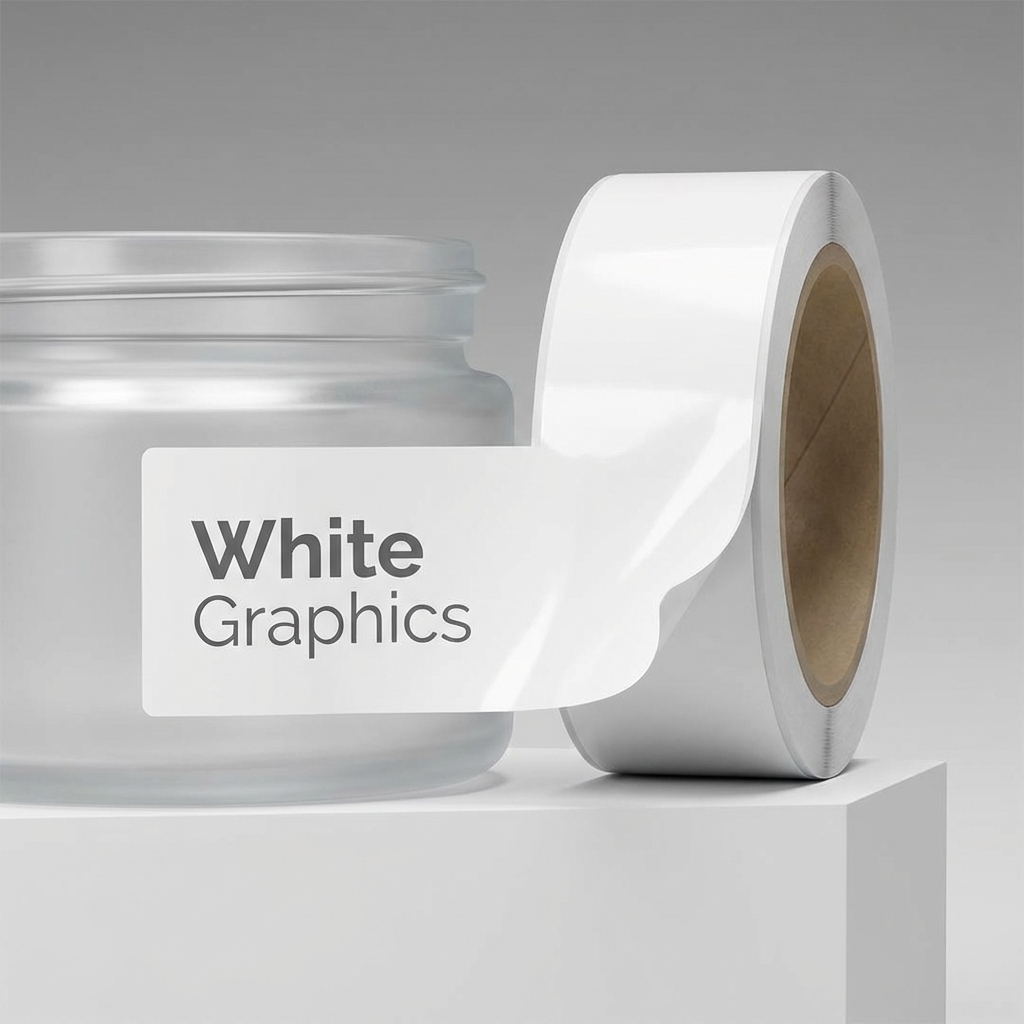
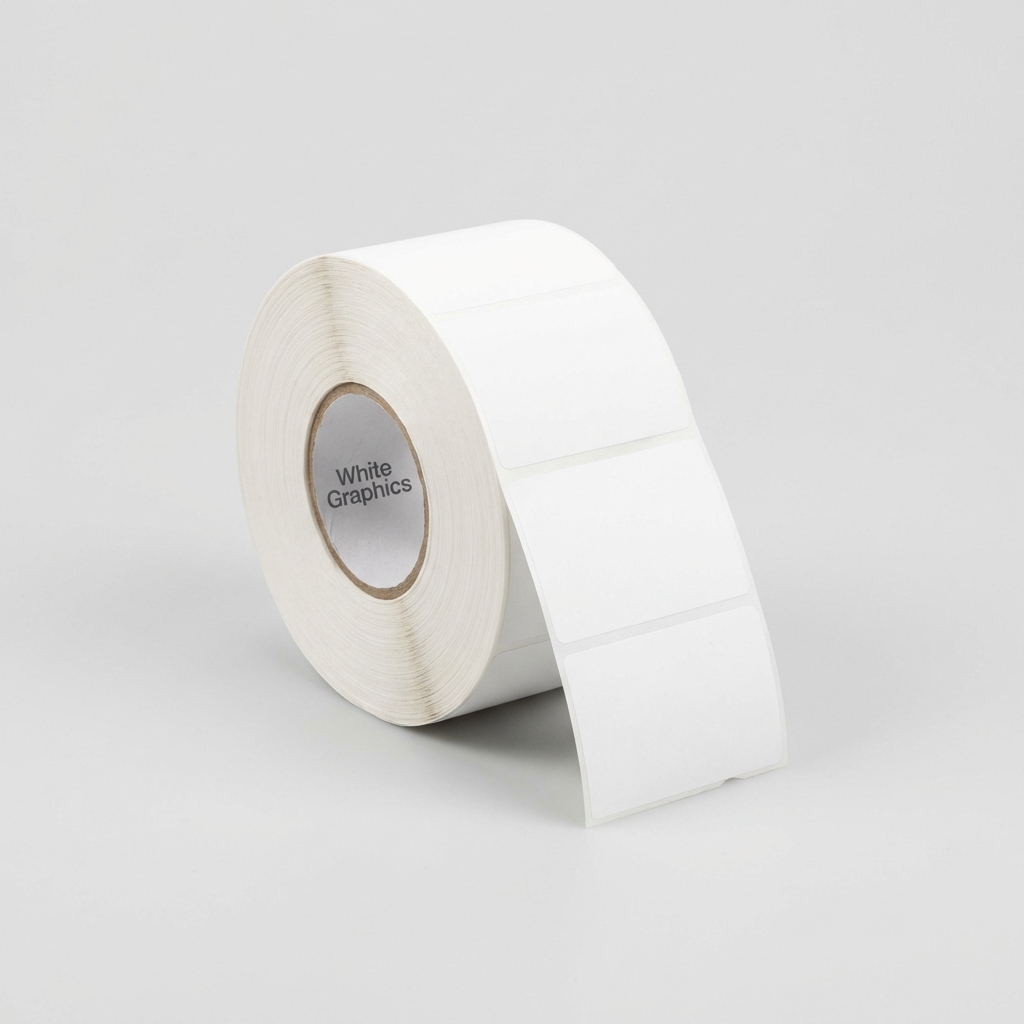
Cover-up labels with true blockout opacity – regulatory corrections, barcode recodes, and import relabeling that rescue finished inventory.
Contact us for pricing, minimum quantities, custom specs, and turnaround times.

Color Accuracy Guaranteed
One spec decides this product: opacity. Get it right and a full-opacity blockout patch fixes the packaging without reprinting it; get it wrong and yesterday’s label ghosts through the correction. A regulation changed, an ingredient got reformulated, a distributor needs different contact info, an imported case needs US-compliant copy: our cover-up labels rescue inventory that would otherwise be waste. We engineer true opacity into every patch, with cover-up label printing run G7® Master Certified in Naperville, Illinois.
Cover-up label sizes that actually cover
Cover-up labels are sized to what they hide, plus margin. We produce patches matched to the original label plus a safety border, full-panel overlays, and small spot patches for single lines like dates and codes.
Shapes
Rectangles and squares sized over the original, plus spot patches for single-element corrections.
Materials
Opaque blockout films and papers with light-stopping cores: the spec that separates cover-ups from ordinary labels.
Finishes
Matte and gloss laminates matched to the original package so the patch reads like part of the design.
Formats
Pressure-sensitive singles for hand correction and rolls for relabeling lines.
Send a photo of what needs covering; the underlying colors decide how much blockout the job needs.
Opacity is the whole product
A cover-up that ghosts, with old text shadowing through under store lighting, is worse than no correction at all. Opacity comes from the stock’s core; ink alone can’t deliver it. Our blockout materials carry light-stopping layers that hide dense black text and dark brand colors completely, and we proof over a worst-case sample before the run, because “mostly hidden” isn’t a spec anyone accepts.
A patch that matches the package
Good cover-ups disappear into the design. We match the patch’s white point, its finish, and (with G7® Master Certified color management) any printed brand color to the original package, so the corrected unit shelves next to first-run stock without a visible seam in the brand.
When a cover-up is the right fix
Relabeling saves inventory when the underlying product is fine and only the label is wrong. The jobs we see weekly:
- Regulatory updates: a changed allergen call-out, a revised warning, or an updated panel, patched with the corrected copy at full opacity.
- Reformulations: new ingredient lists over old ones, so finished packaging survives a recipe change.
- Barcode recodes: new UPCs or retailer-specific codes over old symbols, scan-checked so the register never sees the ghost of the old code.
- Import localization: US-compliant copy over foreign-market labels, sized to cover completely.
- Distributor and contact changes: new business lines over old, cleanly.
- The correction rule that matters: a patch must fix, never hide. Required information ends up present and legible, which is the difference between relabeling and obscuring. Your advisor owns what the corrected copy must say; we make it opaque, durable, and straight.
For the new codes themselves, see our scan-checked barcode labels; recodes ship verified.
Inventory we’ve rescued
We print cover-up labels for food and beverage packaging corrections, retail recodes, import relabeling programs, and industrial re-marking. Related categories: variable data labels for corrected lot codes. Or browse the full label range we offer.
Cover-up artwork: measure twice, patch once
Cover-up jobs start with a tape measure. We need the original label’s exact dimensions, a patch die with honest margin around them, the corrected copy as vector art (PDF, AI, or EPS, 300 dpi, CMYK, with bleed past the patch die), and a photo or sample of what’s underneath so blockout gets verified against the real worst case. Our prepress team handles the matching.
Rescue-run production, opacity proven first
Cover-up jobs run urgent and careful at once: prepress sizes the patch over your original with honest margin, prints an opacity proof over a worst-case sample so ghosting is settled before the run, then runs the job G7®-controlled on blockout stock with finish matched to the package. Recode barcodes get scan-checked on the way out. The corrected inventory ships looking first-run.
Cover-up label FAQs
Will the old label show through?
Not with true blockout stock; the opacity is built into the material’s core. We proof over your worst-case sample before the run so ghosting is settled in advance.
Will a cover-up stick over an existing label?
It will. High-tack adhesives bond permanently over printed labels, varnishes, and films. Send a sample and we’ll match the adhesive to the actual surface.
Can you print a new barcode over the old one?
Yes. Recode patches carry the new symbol at full opacity over the old, scan-checked so only the new code reads at the register.
Is it legal to cover part of a label?
Corrections must leave required information present and legible, which is what separates fixing from hiding. What the corrected copy must say is your advisor’s call; making it opaque, durable, and straight is ours.
How fast can a rescue run happen?
Cover-up jobs are usually urgent and we treat them that way. Send the dimensions and corrected copy and we’ll quote the realistic timeline with the price.
Can the patch match our packaging finish?
It can. White point, gloss level, and printed brand color are matched so the corrected unit shelves invisibly next to first-run stock.
What files do you need for a cover-up job?
The original label’s dimensions, a photo or sample of what’s being covered, and the corrected copy as vector artwork: PDF, AI, or EPS at 300 dpi in CMYK, bleed included. Our prepress team takes it from there.
Ready to rescue your inventory?
Send the dimensions, a photo of the label being covered, and the corrected copy. We’ll price the fix against the inventory it saves.
Request a QuoteRelated products
-
Freezer-Safe Labels
Freezer-safe labels engineered for both application and service temperature - cold-apply adhesives, frost-cycle...
-
Cookie & Baked Goods Labels
Cookie and baked goods labels for cottage and retail bakers - home-kitchen statements,...
-
Pet Product Labels
Pet product labels built to AAFCO conventions - guaranteed analysis, naming-rule aware, grease-proof...